Weight Limits For A Helicopter Tour In Orlando, Explained
Every helicopter tour in the Orlando area weighs its passengers before boarding, and the numbers on the scale decide whether you fly. Here are the real limits published by the two main Kissimmee operators, plus the lap-child and split-booking rules most first-time riders only learn at check-in.
Short answer
Orlando-area helicopter tours cap individual passengers at 300 lbs (136 kg) with MaxFlight and about 290 lbs with Orlando Helicopter Adventures, and combined loads at 600 lbs for three passengers or 800 lbs for four on the larger R66. Everyone is weighed before boarding, infants under roughly 28-30 lbs fly free on a lap, and parties of four or more split across flights.
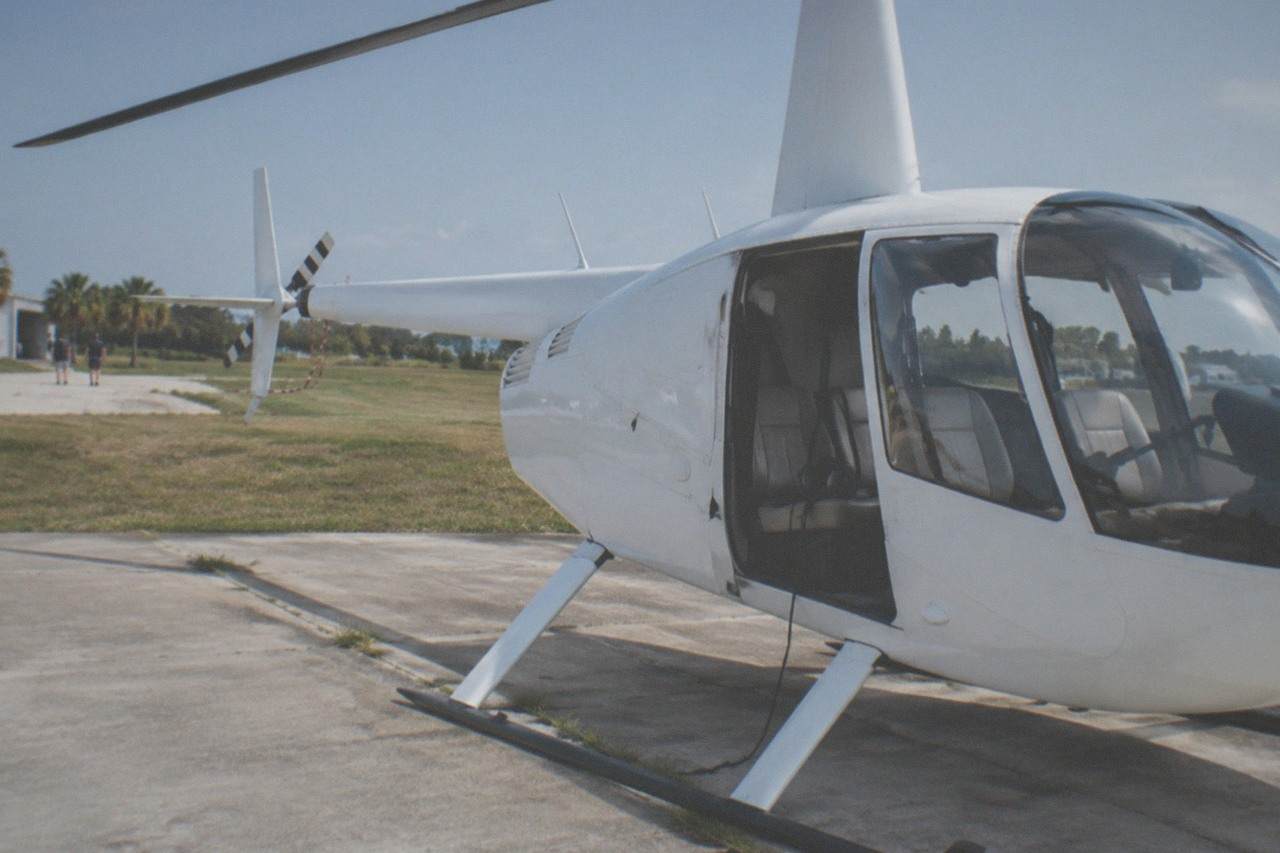
Small helicopters are unforgiving about weight in a way airliners never are. A Robinson R44 carries three passengers and one pilot, and every pound aboard changes how the aircraft balances, climbs and handles. That is why every commercial helicopter tour in the Orlando and Kissimmee area weighs its passengers before boarding, and why the answer to "can I fly" is a set of hard numbers rather than a shrug.
This guide lays out the real, operator-published limits for the two main tour operators serving the theme-park corridor, explains the lap-child and split-booking policies that catch families out at check-in, and maps which tours on the current roster fit which group sizes. The figures come from the operators' own listings and policy pages, not from guesswork.
What Is The Weight Limit For A Helicopter Tour In Orlando?
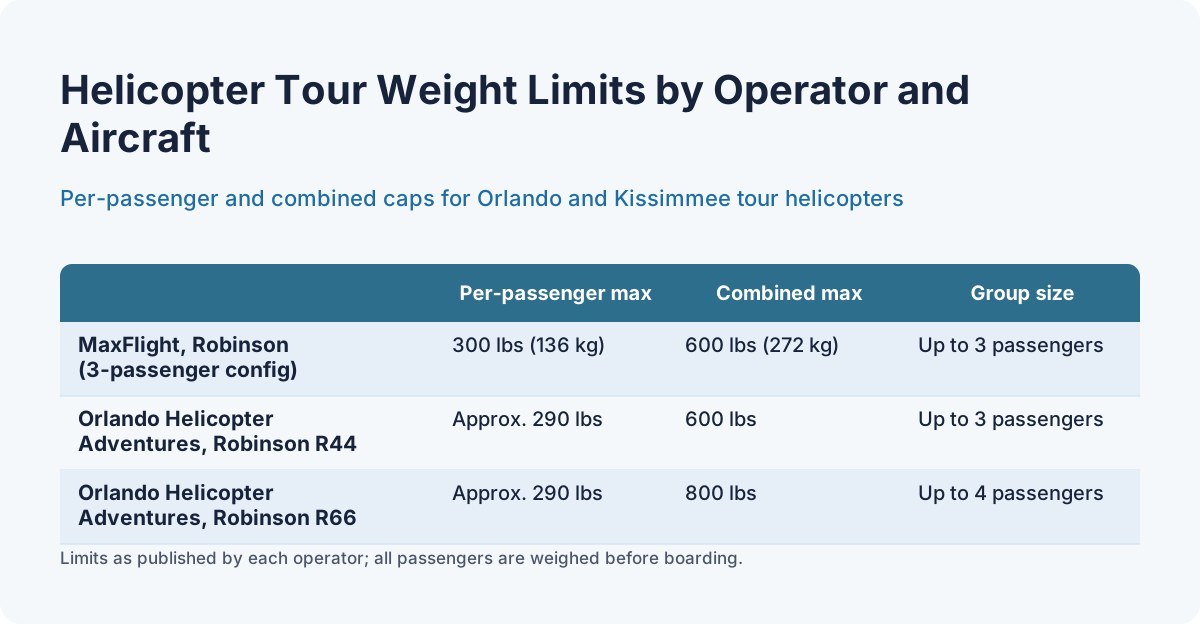
The short answer: individual passengers are capped at 300 lbs (136 kg) with MaxFlight and roughly 290 lbs per seat with Orlando Helicopter Adventures, while combined passenger loads top out at 600 lbs (272 kg) for a three-passenger R44 flight and 800 lbs for a four-passenger R66 flight. Every passenger is weighed before boarding, with no exceptions, and the numbers are checked against the aircraft's load sheet before the engine starts.
Two operators account for nearly all the short sightseeing flights sold over the theme-park corridor. MaxFlight flies from a heliport near Kissimmee Gateway Airport at 4010 4th St, Kissimmee, and Orlando Helicopter Adventures operates from 5071 W Irlo Bronson Memorial Highway, also in Kissimmee. Both run small Robinson helicopters, and both publish weight limits on their own listings.
The limits are not interchangeable between aircraft. An R44 seats three passengers with a 600 lb combined cap; the larger R66 seats four with an 800 lb combined cap, but the per-seat figure stays near 290 lbs either way. A party of three lighter adults clears the combined cap comfortably. Three heavier adults may not, even though each person is individually fine, and that distinction is where most check-in surprises happen.
It helps to understand the regulatory backdrop, too. Most short local sightseeing flights in this area operate under 14 CFR Part 91 via a section 91.147 Letter of Authorization, a framework that permits paid sightseeing flights within roughly a 25 nautical-mile radius of the departure point while still requiring drug and alcohol testing programs and passenger safety briefings. Weight-and-balance control sits at the heart of that framework: the operator must know the actual load before every departure, which is why the scale at check-in is not optional.
| Operator | Aircraft | Per-passenger max | Combined max | Group size |
|---|---|---|---|---|
| MaxFlight | Robinson (3-passenger config) | 300 lbs (136 kg) | 600 lbs (272 kg) | Up to 3 passengers |
| Orlando Helicopter Adventures | Robinson R44 | Approx. 290 lbs | 600 lbs | Up to 3 passengers |
| Orlando Helicopter Adventures | Robinson R66 | Approx. 290 lbs | 800 lbs | Up to 4 passengers |
MaxFlight's Weight Policy: 300 Lbs Per Passenger, 600 Pounds Combined
MaxFlight, the operator behind several of the most-booked short flights over the Fun Spot and theme-park corridor, caps a single passenger at 300 lbs (136 kg) and the combined weight of three passengers at 600 lbs (272 kg). All passengers must be willing to be weighed before boarding, and a party of four or more is split across separate flights rather than squeezed into one.
The flagship MaxFlight product on the current roster is the Day 16 Miles Private Helicopter Tour over Fun Spot, an 8-minute private flight departing from Kissimmee that starts from $68.25 per person and carries a 5.0 rating from 289 reviews. Because it is a private tour, your group fills the cabin, which means the combined cap applies to your party alone rather than being shared with strangers. That is a genuine advantage for heavier groups: two passengers who each sit well under the per-seat cap fly with combined room to spare, where a shared-flight model might struggle to place them.
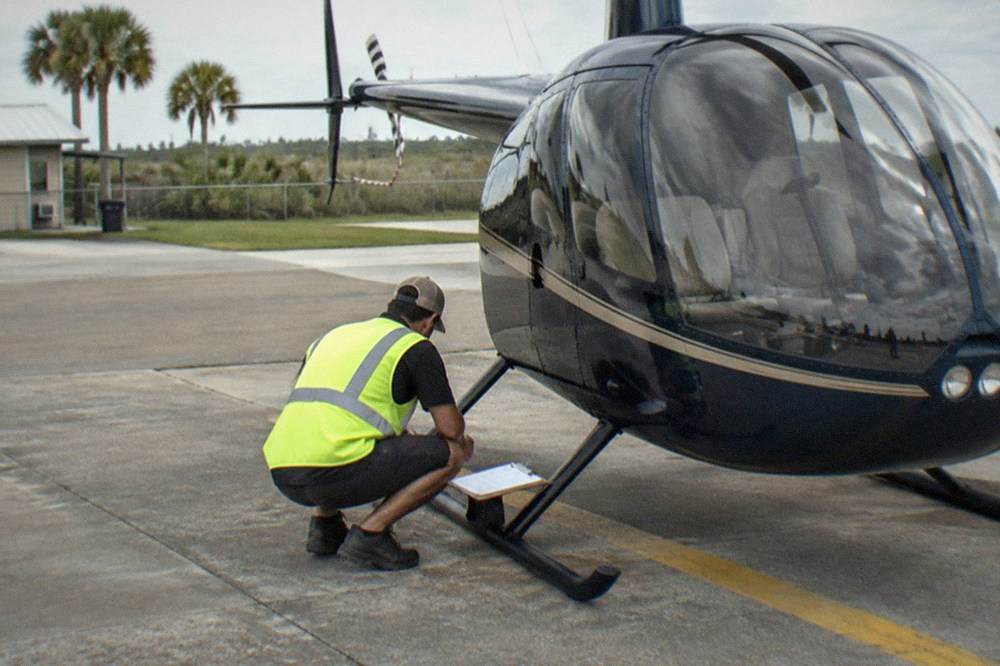
Weighing happens at check-in, before anyone approaches the aircraft. The crew records each passenger's weight, checks it against the aircraft's performance charts for the day's temperature and altitude, and only then confirms the flight. Nobody is singled out; the scale is part of the standard boarding sequence, the same as the safety briefing.
If you are close to the limit, the practical advice is simple: check your own numbers honestly before you book, and if your party of three is anywhere near the 600 lb combined cap, book a configuration that spreads the load. The operator's live listing states the limits plainly, and the cheapest moment to discover a problem is before payment, not at the helipad.
Orlando Helicopter Adventures: 290 Pounds Per Seat, 600-800 Combined
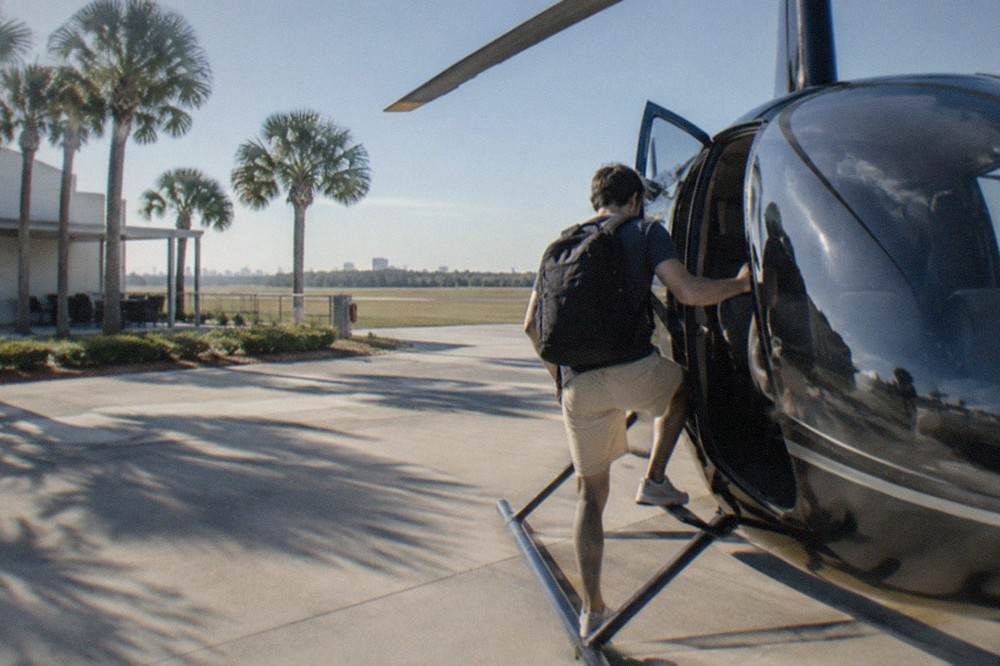
Orlando Helicopter Adventures, departing from West Irlo Bronson Memorial Highway in Kissimmee, allows approximately 290 lbs per passenger on both its aircraft, with a 600 lb combined cap for up to three passengers on the Robinson R44 and an 800 lb combined cap for up to four on the Robinson R66. The same weighing requirement and lap-child policy apply across both aircraft types.
The two-aircraft split matters for group planning. A family of four has no path onto a three-seat R44 no matter how light everyone is; the R66 is the aircraft that makes a four-person flight possible, and its extra 200 lbs of combined allowance is what absorbs a fourth body. Conversely, a heavier trio may fit better on an R66 booked for three, since the combined ceiling is higher even though the per-seat cap is not.
This operator runs the menu-style Orlando Helicopter Tour from the Walt Disney World Resort Area, which offers five flight lengths from 6 to 25 minutes. The similarly menu-priced 23-Mile Wonder Tour over the Lake Buena Vista resort area, from $31 per person at the short end, belongs to Apex Air Tours, a separate Kissimmee operator, which applies the same weighing rules for its own aircraft. Each operator sets its own weight policy, so check the live listing for exact figures before you book. The price of the WDW Resort Area tour varies by flight length, so check the live listing rather than assuming a figure.
One point worth knowing in advance: neither operator publishes an overweight surcharge. There is no "pay extra and fly anyway" option. If a passenger exceeds the per-seat cap, or a group exceeds the combined cap, the outcome is either a split booking or a denied boarding with a refund handled per the listing's terms. Budgeting for a surcharge that does not exist is a common planning mistake.
| Scenario | R44 (3 seats) | R66 (4 seats) | Flies? |
|---|---|---|---|
| Three lighter adults, total well under 600 lbs | Fits combined cap | Fits combined cap | Yes, on either |
| Three heavier adults, total over 600 lbs but under 800 lbs | Over combined cap | Fits combined cap | Yes, on the R66 |
| Four adults, total under 800 lbs | Not enough seats | Fits combined cap | Yes, on the R66 |
| One passenger over 290-300 lbs | Over per-seat cap | Over per-seat cap | No, either aircraft |
| Two passengers, each under the per-seat cap | Fits combined cap | Fits combined cap | Yes, both aircraft |
Why Every Passenger Gets Weighed Before Boarding
Passengers are weighed because weight and balance directly determine whether a small helicopter can fly safely: total load affects climb performance and fuel allowance, while the distribution of that load between front and rear seats affects the aircraft's center of gravity. An out-of-balance helicopter can become uncontrollable at the speeds and altitudes tour flights use, so the weighing step is a legal and operational requirement, not a courtesy estimate.
On an airliner, your 40 lbs of checked luggage is a rounding error against a 175,000 lb aircraft. On a Robinson R44, a passenger at the 300 lb cap is a significant share of the maximum gross weight. Hot Florida afternoons thin the air further, reducing the lift the rotor generates on any given day, which is why the crew checks weights against performance charts for that day's conditions rather than applying a single year-round rule.
The weighing itself is low-drama. You step on a scale with your shoes on, the crew notes the number, and boarding proceeds. Operators ask that passengers be willing to be weighed as a condition of flight, and refusing ends the booking. If you want the deeper regulatory picture, our helicopter tour safety guide for Orlando covers the FAA framework, the briefing requirements and the area's safety record in full.
It is also worth knowing what the weighing is protecting against. The Federal Aviation Administration's accident database, searchable through the NTSB aviation report system, shows no major accidents tied to commercial sightseeing helicopter operators in the Kissimmee and Orlando area in the verifiable 2024-2026 window. The weighing discipline is one of the routine practices behind that clean record, alongside pre-flight briefings and the Part 91.147 authorization framework described above.
Lap Children And Infants: Who Flies Free
Infants under roughly 28-30 lbs (13-14 kg) fly free on a lap up to age 2 on both MaxFlight and Orlando Helicopter Adventures flights. The infant's weight still counts toward the aircraft's combined load for balance purposes, so the crew weighs or estimates the child at check-in, but no seat is purchased and no fare is charged while the child stays under that threshold on a parent's lap.
This is one of the most useful policies on the roster for young families, and one of the least understood. The free lap infant is not a loophole that ignores physics: a lap child is real payload in a specific seat position, so the crew still needs the number. What changes is the fare, not the physics. The wider set of guides lives on Orlando Helicopter Tours.
Families planning a first flight with small children should read our helicopter tour with kids in Orlando guide, which pairs the weight rules with the practical side: headset sizing, the noise factor on little ears, and which tour lengths suit short attention spans. The short 8-to-10-minute flights over the Fun Spot area are the usual first-flight recommendation, precisely because they fit inside a toddler's patience.
Once a child crosses the 28-30 lb mark, they occupy a paid seat with their own weight budget. A party of two adults plus two paid-seat children is a four-person booking, which on these operators means the R66 and its 800 lb combined cap, or a split across two flights.
The International Drive departure option above is worth a look for families staying on I-Drive: it runs a menu of 5-to-25-minute flights from $35 per person with a group maximum of six, and its 4.5 rating from 201 reviews reflects a well-established operation. The larger group cap there can absorb a family that would otherwise need a split booking at a Kissimmee base.
Parties Of Four Or More: Split Bookings Explained
MaxFlight's policy is explicit: parties of four or more must split across flights, because no aircraft in the fleet carries more than three passengers alongside the pilot. Orlando Helicopter Adventures can take four on its R66, so a party of four books one flight there, while a party of five or more splits across two flights regardless of operator. Splitting is a scheduling matter, not a refusal, and groups that split usually fly back-to-back within the same hour.
Splitting is not a penalty and it is not negotiable, it is geometry. Three passenger seats means three passenger seats. The way operators handle it is sequential: the first subgroup flies the route while the second waits at the base, then the aircraft lands, swaps groups, and flies again. For a family of five, that means two flights roughly 20-30 minutes apart, with everyone still back at the hotel inside a couple of hours.
There is a planning upside to a split. Each subgroup gets a fuller share of window space, and on private tours each flight is its own private experience, so nobody rides in a middle-equivalent seat. Groups of six can even book two three-seat flights at Kissimmee rather than one six-person flight elsewhere, which is often the same total cost with better views per person.
| Party size | MaxFlight (3 seats) | OHA R44 (3 seats) | OHA R66 (4 seats) |
|---|---|---|---|
| 2 passengers | One flight | One flight | One flight |
| 3 passengers | One flight | One flight | One flight |
| 4 passengers | Split into two flights | Split into two flights | One flight |
| 5 passengers | Two flights | Two flights | Two flights |
| 6 passengers | Two flights | Two flights | Two flights |
Book splits as a single booking where the listing allows it, and mention the party size in any notes field. Arriving together at the departure point keeps the back-to-back sequence tight, and the crew will confirm the flight order at check-in.
What Happens If You Exceed The Limit At Check-In
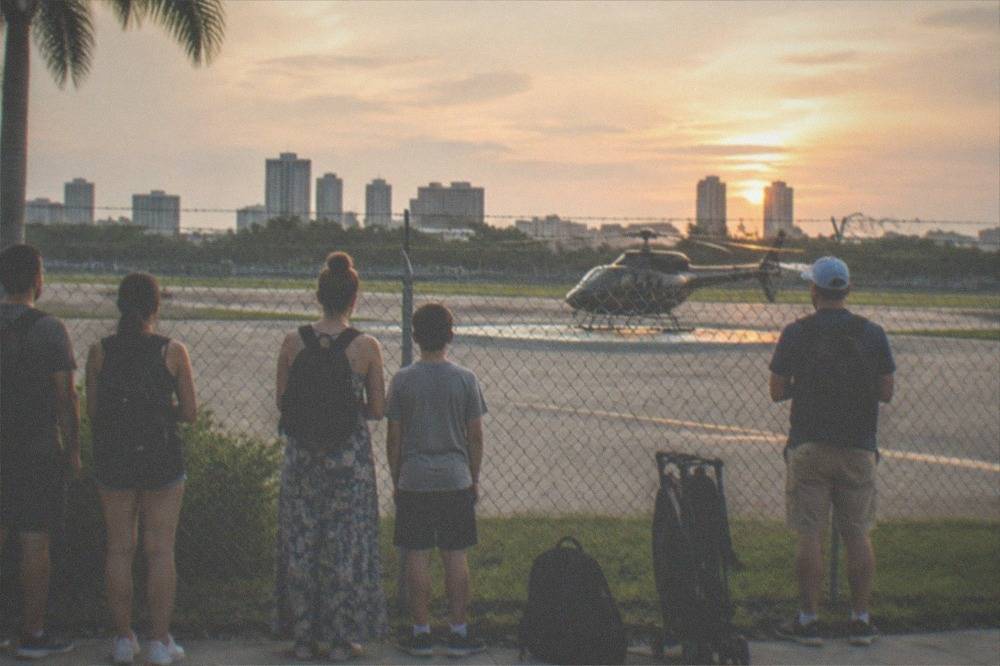
If a passenger exceeds the per-seat cap, or the group exceeds the combined cap, the flight cannot depart as booked: the operator either splits the party across additional flights or denies boarding to the affected passenger, with refunds or rescheduling handled per the listing's terms. No operator in this market publishes an overweight surcharge, so there is no pay-more option, and arguing at the scale does not change the aircraft's performance charts.
The cleanest outcome is a split. A couple where one passenger is over the cap can sometimes fly as two separate two-person bookings on consecutive flights, each within limits. A group over the combined cap but under the per-seat cap can usually split the same way. The outcome to avoid is the solo passenger over the 300 lb MaxFlight cap with no companion to rebalance against, because no configuration on this roster carries that passenger.
Honesty at booking prevents nearly all of this. Weigh yourself before you book, not after, and read the limits on the operator's live listing, which states them plainly. If the numbers are tight, call or message the operator before paying and ask which configuration they recommend; they answer this question daily and would rather solve it before you drive out.
Weather cancellations are handled more flexibly than weight issues, as a general rule: operators in this area commonly offer rescheduling or refunds when conditions ground a flight. The specifics vary by listing, so check the terms before you book rather than assuming. Our weather and cancellation policy guide covers what to expect season by season, including the summer afternoon thunderstorm pattern that causes most reschedules in this region.
Matching Weight Limits To The Tour You Actually Want
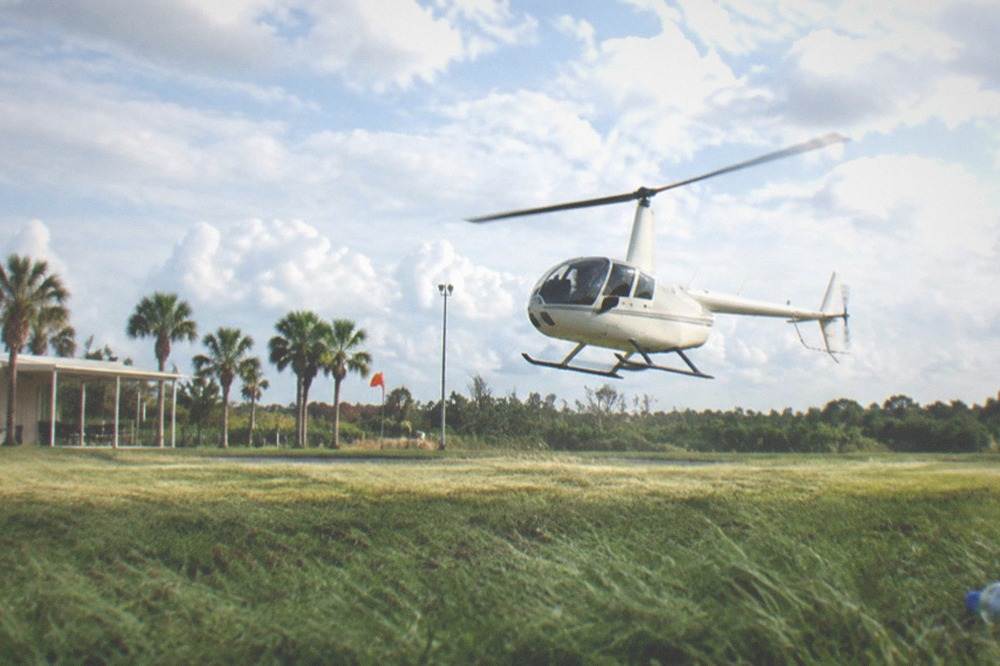
The weight rules are identical across each operator's tour menu, so the practical question is which route length and aircraft pairing fits your group: light trios can fly any tour on the roster, heavier trios need the R66 or a split, parties of four need the R66, and parties of five or more split everywhere. Once you know your numbers, the route choice becomes straightforward.
Start with the short flights if the budget is tight or the group includes first-time flyers. The 16-mile Fun Spot flight described earlier is the cheapest single-length private product on the roster at from $68.25 per person. Menu-style tours run cheaper at the short end: the Wonder Tour over Lake Buena Vista starts from $31 per person for its shortest option, with prices running up to $225 per person across its longer flights, and it departs from the Apex Air Tours base in Kissimmee, which follows the same weighing and lap-child policies described above.
For a heavier trio, the 23-mile menu above is worth comparing against the R66 option at Orlando Helicopter Adventures before you commit, since a split into two flights at the short end of a menu can cost less than one longer flight, and both routes cover the same resort-area corridor. The Wonder Tour carries a 5.0 rating from 12 reviews, a small but perfect pool, and its 13-15 minute flight time sits in the sweet spot between the 8-minute taster and the half-hour premium routes.
Longer routes change the calculus slightly. A 31-to-48-mile private day tour, from $207.90 per person on the roster's 31-mile option, spends 20 to 30 minutes in the air, and the combined caps are the same as on short flights: the aircraft does not grow because the route did. If your group is near the limit, the same split logic applies, and the longer route simply gets flown in two consecutive halves.
Booking Tips For Groups With Weight Considerations
Book by numbers, not by hope: weigh everyone at home, compare the total and each individual figure against the caps in this guide, pick the aircraft or split configuration that fits, and state the party size when you book. If any figure is close to a cap, message the operator before paying, and prefer morning slots in summer since afternoon thunderstorms between roughly 2 and 8 pm cause most same-day reschedules.
That thunderstorm window is the single most useful scheduling fact for this region. Wet-season afternoons in Central Florida build fast, and a flight grounded by weather is rescheduled, not flown, so a 9:30-11am slot in June through September is the reliable choice. The official Atlantic hurricane season runs June 1 through November 30, but routine summer storms, not named storms, cause the day-to-day cancellations.
A few practical habits make check-in painless. Wear clothing you would not mind being weighed in, since the scale happens in shoes. Declare the lap infant at booking rather than at the pad. And if your party is four or more, book early in the day so a split's second flight still lands before dinner.
The Fun Spot flight above remains the benchmark short booking for groups watching both weight and budget: private cabin, 8 minutes over the Kissimmee attractions corridor, from $68.25 per person, and a 5.0 rating from 289 reviews, the strongest review pool among the short private flights. It is the tour most groups should price first, then trade up or down from.

For the full picture of what each route length costs across the market, our Orlando helicopter tour prices guide breaks down the per-person bands by flight time, and the what to expect on an Orlando helicopter tour guide walks through the entire check-in-to-landing sequence, scale included.
The weight rules here are strict, but they are also the reason the experience works: a correctly loaded small helicopter is agile, stable and safe, and the operators in this corridor apply the same discipline to every single flight. Know your numbers before you book and the scale at check-in becomes a 30-second formality on the way to a very good view.
Common Questions About Helicopter Tour Weight Limits In Orlando
What is the weight limit for a helicopter tour in Orlando?
MaxFlight caps an individual passenger at 300 lbs (136 kg) with a 600 lb combined limit for three passengers. Orlando Helicopter Adventures allows approximately 290 lbs per passenger, with a 600 lb combined cap on the three-seat R44 and an 800 lb combined cap on the four-seat R66.
Do they weigh you before an Orlando helicopter ride?
Yes. Both major operators weigh every passenger at check-in before boarding, and willingness to be weighed is a condition of flight. The recorded weights are checked against the aircraft's performance charts for the day's conditions.
Can a 300 lb person fly on a helicopter tour in Orlando?
A passenger at or just under 300 lbs can fly with MaxFlight, which caps a single passenger at 300 lbs. Orlando Helicopter Adventures caps its seats at approximately 290 lbs, so a 300 lb passenger would need the MaxFlight side of the market or a different aircraft.
Is there an overweight surcharge if I exceed the limit?
No. Neither operator publishes a pay-extra option. If a per-seat or combined limit is exceeded, the operator splits the party across flights or denies boarding, with refunds or rescheduling handled per the listing's terms.
Do infants and toddlers fly free on Orlando helicopter tours?
Infants under roughly 28-30 lbs fly free on a lap up to age 2 on both operators. The child's weight still counts toward the aircraft's combined load, so the crew records it at check-in, but no seat or fare is charged below that threshold.
Can a group of four fly together on one helicopter?
Yes, on the Robinson R66 flown by Orlando Helicopter Adventures, which seats four passengers with an 800 lb combined cap and roughly 290 lbs per seat. MaxFlight's aircraft seat three, so a party of four there splits across two consecutive flights.