Is A Helicopter Tour In Orlando Safe For Kids?
A parent-focused look at the real safety record, lap-child rules, weight limits, and family-friendly tour options for helicopter rides in the Orlando and Kissimmee area.
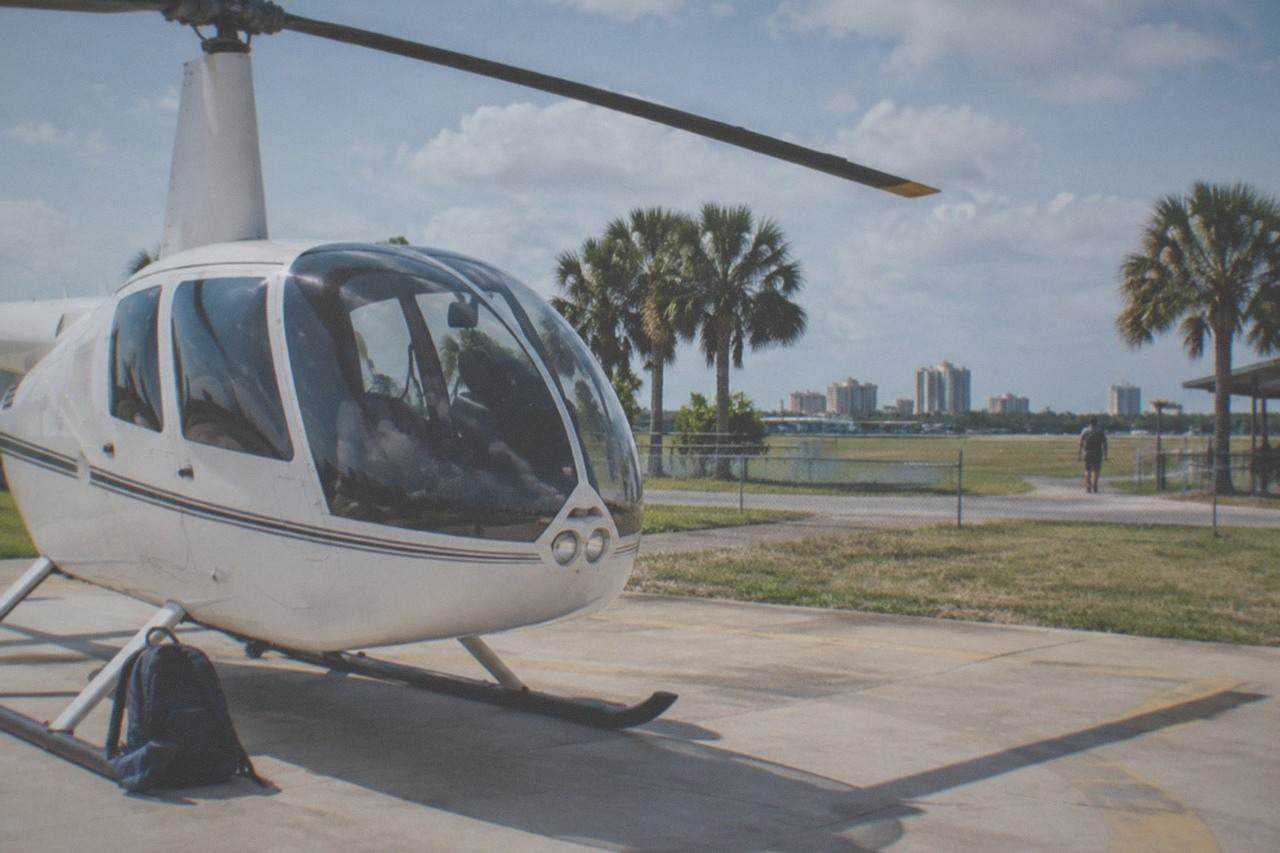
Is A Helicopter Tour In Orlando Safe For Kids?
Yes, in the ordinary sense that commercial sightseeing flights go: the Orlando and Kissimmee operators on this roster run enclosed helicopters with mandatory pre-boarding weigh-ins, scripted safety briefings, and FAA-authorized operations, and no major NTSB-reported accident tied to these operators exists in the verifiable 2024-2026 window. Kids fly under the same weight rules as adults, and infants under roughly 28-30 lbs ride free on a lap up to age 2.
That is the short version. The longer version is what most parents actually want to know, and it is less about fear and more about logistics: will the operator weigh my child, can a toddler sit on my lap, what happens if our family of four exceeds the seat limit, and which of the many listed flights is short enough that a restless six-year-old will still enjoy the last minute of it.
The safety picture starts with the regulatory frame. Most short sightseeing flights in this area operate under 14 CFR Part 91 via a section 91.147 Letter of Authorization rather than full Part 135 charter certification, which still requires drug and alcohol testing programs and passenger safety briefings. An explainer of how the 91.147 authorization works is worth a read if you like knowing the paperwork behind the seatbelt. For a parent, the practical takeaway is simpler: these are real, inspected, briefed commercial flights, not a carnival ride with a rotor.
One thing this market does not offer is doors-off flying. Every tour on the roster uses enclosed helicopters with large windows, so there is no open-door variant to weigh as a risk at all. If your mental image of a helicopter tour comes from a Hawaii marketing photo of dangling feet over an open door, that is simply not the product sold here.
For families, the short-flyover category is where most first flights happen, and these three are the ones worth comparing first.
What Are The Real Age And Weight Rules For Children?
There is no minimum age on these listings; the binding constraint is weight. MaxFlight caps a single passenger at 300 lbs and a three-passenger group at 600 lbs combined, Orlando Helicopter Adventures caps its R44 at roughly 290 lbs per passenger and 600 lbs combined, and everyone, children included, is weighed before boarding. Infants under about 28-30 lbs fly free on a lap up to age 2, and parties of four or more split across flights.
The weigh-in surprises some parents, so it deserves a plain explanation. Weight and balance determine whether a small helicopter is safe to fly, and the operator cannot guess it. Every passenger steps on a scale at check-in, toddlers included if they hold their own seat, and the numbers are added against the aircraft's combined limit. This is not a judgment about anyone's body; it is the same arithmetic a pilot does before every flight, and refusing the weigh-in means refusing the flight.
The lap-child policy is the genuinely family-friendly part. An infant under roughly 28-30 lbs, up to age 2, rides free on an adult's lap, which means a couple with a baby pays for two seats, not three. Once a child is too heavy for the lap policy, they occupy a full seat and count fully against the combined limit, so a family of four on a three-seat R44 will be split across two flights regardless of anyone's individual weight. That split is routine for operators here, not a penalty, and families report booking back-to-back slots so each parent flies with one or two kids.
If your group includes a child with sensory sensitivities, the short private flights are the forgiving choice. The Day 16 Miles Private Helicopter Tour over Fun Spot runs about 8 minutes in the air, rated 5.0 from 289 reviews, from $68.25, departing from Kissimmee near the MaxFlight heliport. Eight minutes is short enough that a nervous child is back on the ground before the nerves fully build, and because it is private, the only people in the cabin are yours. Check availability on the live listing if that format fits your family, or read the fuller family helicopter tour planning guide for age-by-age advice.
Which Orlando Tours Suit Families With Kids Best?
The three tours below fit families because they are short, enclosed, and either private or small-group, and all three depart from the Kissimmee corridor next to the theme parks. The Fun Spot flight is the cheapest single-length private product at from $68.25, the Walt Disney World Resort Area tour offers a menu of 6-25 minute flights, and the Lake Buena Vista 16-mile tour starts at from $35 with a group maximum of six.

The comparison that matters for parents is flight length against attention span, plus what each listing says about group size. Here is the honest spread.
| Tour | Rating and reviews | From (per person) | Flight time | Group format | Family notes |
|---|---|---|---|---|---|
| Day 16 Miles Private Helicopter Tour over Fun Spot | 5.0 from 289 reviews | $68.25 | 8 minutes | Private | Shortest flight on the roster, ideal first ride |
| Orlando Helicopter Tour from Walt Disney World Resort Area | 4.5 from 61 reviews | Price varies by flight length, check the live listing | 6-25 minute menu | Group size on the live listing | Menu lets you pick a length matching your child's age |
| 16-Mile Heli Tour over Lake Buena Vista Resort Area | 5.0 from 29 reviews | $35 | 8-10 minutes | Group, max 6 | Lowest entry price, pets allowed in lap-sized kennels |
A note on the middle option: its listing genuinely does not publish a resolved price, so treat it as a choose-your-length product and confirm the figure on the live listing before budgeting. The other two carry firm starting prices, and the Lake Buena Vista tour's $35 floor is among the lowest verified per-person entry points on the roster, which matters when you are buying three or four seats.
The Fun Spot tour earns its place as the default family pick for one unglamorous reason: it is the only one whose headline product is a single fixed length. A menu of five flight lengths is flexible for adults, but for a parent booking for a seven-year-old, choosing between six and twenty-five minutes is exactly the decision you wanted help with. Eight minutes, one price, private cabin.
What Happens At Check-In And Weigh-In With Kids?
Plan on 30-45 minutes total for a short flight even when wheels-up time is 8-10 minutes: the listing-level totals on this roster build in check-in, the mandatory weigh-in of every passenger, a safety briefing, walking to the aircraft, and boarding. Kids are weighed with everyone else, lap infants are confirmed against the 28-30 lb policy, and headphones or headsets are fitted before engine start.
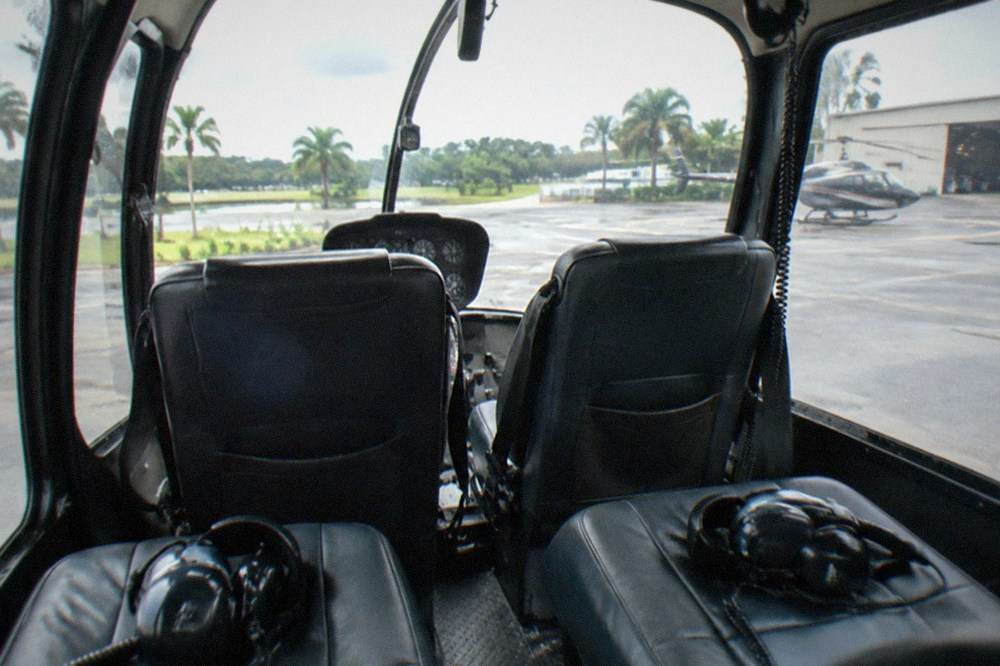
The briefing is short and concrete: seatbelts stay fastened, nothing leaves the cabin, headsets on for the whole flight. Operators here brief children directly rather than only the adults, which parents of distractible kids will appreciate. If your child is too small for the standard headset, ask at check-in; operators flying families regularly carry smaller headsets or ear protection sized for kids, and it is a reasonable thing to confirm when booking.
Boarding is where the split-flight rule becomes real for larger families. A party of four or more will be divided across two aircraft rotations on the three-seat helicopters, and the operator sequences the rotations so nobody waits long on the ground. Some families treat this as a feature: one parent flies while the other watches from the fence line, then they swap, and each child gets a flight with a parent's undivided attention.
The ground time is also your buffer against the one variable nobody controls, weather. Operators in this corridor commonly offer rescheduling or refunds when conditions ground the flight, though the exact policy lives on each operator's own listing rather than in a universal rule, so read it before booking rather than after. The deeper dive on operator practices and the local safety record is in the Orlando helicopter tour safety guide, which covers the regulatory framework in more detail than a parent usually needs on booking day.
What About Weather, Noise, And Motion Sickness?
Summer afternoon thunderstorms, typically in the 2-8pm window, are the main cause of family flight cancellations here, so morning slots around 9:30-11am are the more reliable summer choice; dry season from November to April gives the most dependable clear skies. Noise is handled by headsets, and motion sickness is rare on these short, smooth routes but worth planning for with a light pre-flight meal.
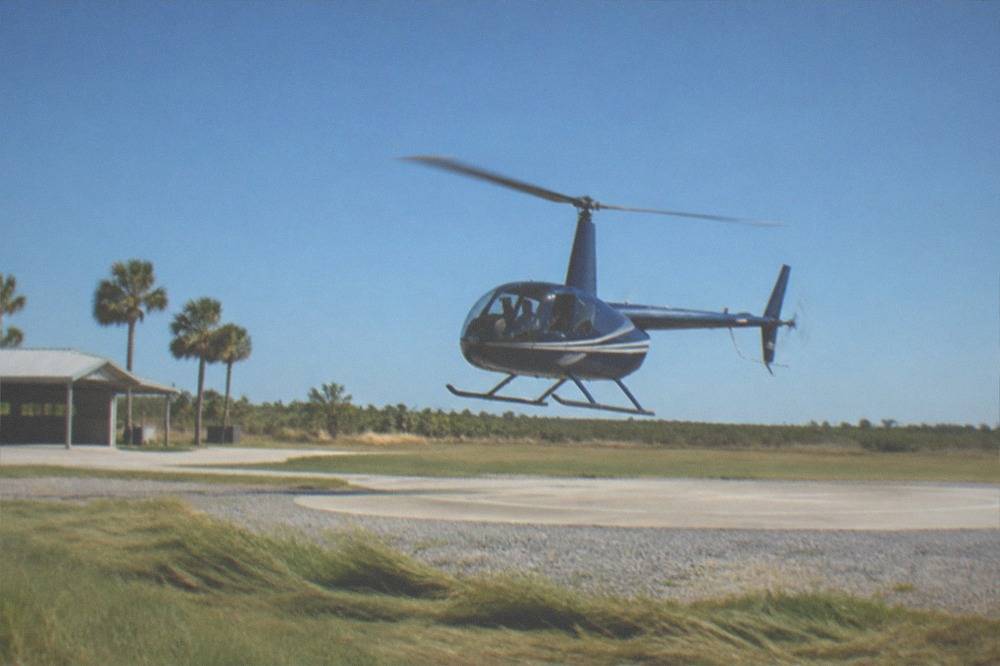
Weather first, because it is the thing most likely to change your plans rather than your child's. Central Florida's wet season runs June through September with those predictable afternoon storms, and hurricane season officially spans June 1 to November 30 with peak activity mid-August to mid-October, though routine thunderstorms cause far more day-to-day reschedules than any named storm. If you are booking in summer, take the morning slot; if you are visiting between November and April, almost any time of day works and sunset flights give the best light for photos of the parks' skyline from the air.
Noise is the question parents ask and then stop worrying about quickly. The cabins are loud enough that everyone wears an intercom headset, and the headsets double as hearing protection, which is why the child-sized fit question at check-in matters. Most kids adapt within the first minute, and the intercom lets the pilot talk to them directly, which tends to convert nerves into fascination.
Motion sickness on an 8-to-10-minute flight over flat terrain is uncommon, but the cheap insurance is a light meal an hour before rather than a full one, water in the waiting area, and eyes toward the horizon if the aircraft banks. The one tour on this roster marketed as a thrill ride, the HeliCoaster banking-climb flight over Lake Tohopekaliga, is the exception to the gentle-ride assumption, and it is not the product to pick for a first-time child flyer; its own listing positions it as an adventure ride, not sightseeing.
One airspace fact worth knowing, since kids always ask what they are looking at: no tour here flies directly over Walt Disney World. A permanent FAA restriction, FDC NOTAM 4/3634, bars aircraft from a 3-nautical-mile radius over the resort from the surface to 3,000 feet, so flights give skyline views toward the parks from outside the zone. The FAA's own TFR detail page documents the restriction; the honest framing is aerial views of the theme-park corridor, not an overflight of the castle.
What Should Parents Know Before Booking?
Book the shortest flight that matches your child's age, confirm the operator's weather-reschedule terms on the live listing, arrive expecting a 30-45 minute total experience, and answer the weigh-in honestly, since the combined-weight math is what keeps the aircraft within its limits. A private short flight from the Kissimmee corridor is the format most families repeat, and the Fun Spot 16-mile tour is the roster's proven entry point at 5.0 from 289 reviews.
The pattern that repeats across family reviews of these flights is that the parents were more nervous than the kids. An 8-minute private flight over the Fun Spot and the Kissimmee corridor is, for most children, roughly as eventful as a medium theme-park ride with a better view, and the private format means the pilot can slow the briefing to a child's pace. The Lake Buena Vista 16-mile tour offers a similar short flight at a lower entry price, from $35, with a group maximum of six and a lap-sized-kennel pet policy that occasionally matters to families traveling with a small dog. Its 5.0 rating comes from 29 reviews, a smaller pool than the Fun Spot tour's 289, but a consistent one.
The one booking habit worth adopting: reserve the flight for early in your trip, not the last day. If weather reschedules you, an early booking leaves room to re-fly before you head home, and morning slots in summer are the least likely to move. The rest of the planning is ordinary family logistics, and Orlando Helicopter Tours keeps the full roster, prices, and departure details in one place for comparing.
If the short flights feel right, these three remain the family-appropriate picks to check against your dates.
Common Questions About Helicopter Tours For Kids In Orlando
Is A Helicopter Tour In Orlando Safe For Kids?
Yes. The operators run enclosed, FAA-authorized sightseeing flights with mandatory weigh-ins and briefings, and no major NTSB-reported accident tied to these operators exists in the verifiable 2024-2026 window. Kids fly under the same weight rules as adults, and infants under about 28-30 lbs ride free on a lap up to age 2.
Do children get weighed before the flight?
Yes. Every passenger is weighed at check-in, children included, because combined weight determines whether the aircraft is within its limits. MaxFlight caps individuals at 300 lbs and three-passenger groups at 600 lbs combined; Orlando Helicopter Adventures uses roughly 290 lbs per passenger with 600 lbs combined on the R44 and 800 lbs on the R66.
Can a toddler fly on a parent's lap?
Yes. Infants under roughly 28-30 lbs fly free on an adult's lap up to age 2, per the operators' published policies. Beyond that weight or age, the child occupies a full seat and counts against the combined limit.
What happens if our family has four or more people?
Parties of four or more split across two flights on the three-seat helicopters. Operators sequence the rotations back to back so the wait on the ground is short, and many families fly one parent with half the kids, then swap.
How long is a good first helicopter flight for a child?
The short flyovers, roughly 8-10 minutes in the air, are the natural starting point. The Fun Spot 16-mile tour is 8 minutes; the Lake Buena Vista 16-mile tour runs 8-10 minutes of flight time within a 30-45 minute total experience. Longer menus exist up to 25 minutes, but a first flight is usually better short.
Do the tours fly over the Disney parks?
No. A permanent FAA restriction, FDC NOTAM 4/3634, bars aircraft from a 3-nautical-mile radius over Walt Disney World property from the surface to 3,000 feet. Tours give skyline views of the theme-park corridor from outside the restricted zone, which is what the listings describe.