How Safe Is A Helicopter Tour In Orlando
A direct, evidence-based answer to the safety question every nervous flyer asks before booking, covering the FAA rules that govern these flights, what happens before boarding, and the real safety record of the operators flying from Kissimmee.
Short answer
Helicopter tours in the Orlando and Kissimmee area operate under FAA oversight, with mandatory passenger weighing, pre-flight safety briefings, and strict weather rules. No major NTSB-reported accident has been tied to a commercial Orlando or Kissimmee sightseeing helicopter operator in the verifiable 2024-2026 window. The main safety-related issue travelers actually face is weather cancellations, not accidents.
How Safe Is A Helicopter Tour In Orlando?
Short answer: statistically very safe, and far safer than the imagery that surrounds helicopters in movies suggests. Orlando-area sightseeing flights operate under FAA rules that mandate passenger weighing, safety briefings, and strict weather minimums, and no major NTSB-reported accident has been tied to a commercial Kissimmee or Orlando sightseeing helicopter tour operator in the verifiable 2024-2026 window. The thing most likely to affect your booking is not an accident, it is a weather reschedule.
That distinction matters, because the two worries travelers bring to this question are different problems with different answers. The first worry is structural: are these aircraft and operators properly regulated and inspected? The second is emotional: does a helicopter feel dangerous? The structural question has a documented answer in FAA rules and operator practice, and this guide walks through it in full. The emotional question is real too, and it deserves honesty rather than dismissal: helicopters are loud, small, and visibly moving parts of the aircraft, and first-time flyers notice all three.
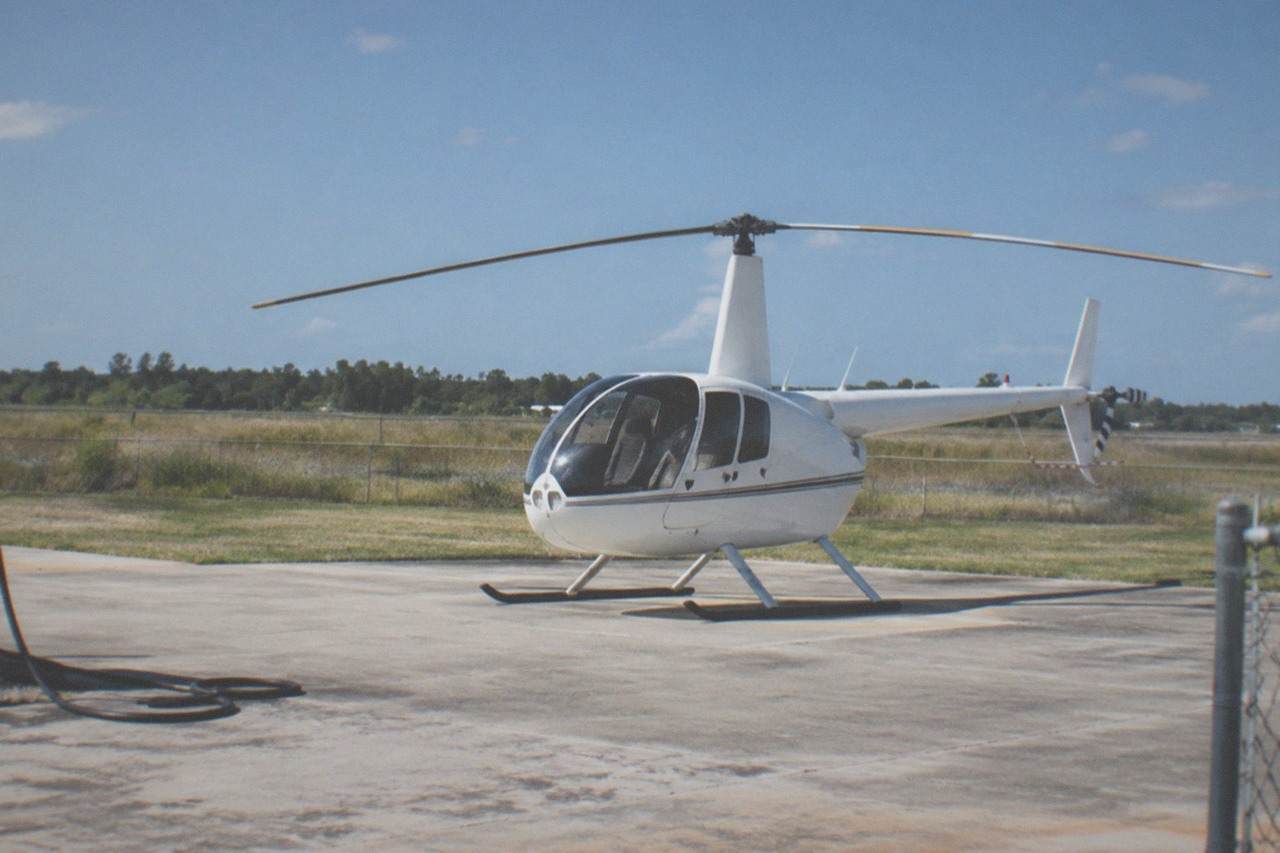
What the evidence supports is a calm picture. The operators selling flights along the Kissimmee theme-park corridor follow a federal regulatory framework that requires drug and alcohol testing programs for pilots, documented passenger safety briefings, and weight-and-balance calculations before every departure. Passengers are weighed before boarding, not as an insult but because weight distribution in a small helicopter is a physics problem with real consequences. The aircraft themselves, typically Robinson R44 and R66 models, are among the most widely used tour helicopters in the world.
The sections below cover the FAA framework in plain language, what actually happens at the helipad before you board, the safety record stated honestly and without invented statistics, the weather and weight factors that cause most cancellations, and a practical checklist for choosing an operator and preparing for a first flight. If you are traveling with children, the is an Orlando helicopter tour safe for kids question gets its own dedicated treatment as well.
What FAA Rules Govern Helicopter Tours Over Orlando?
Most short sightseeing flights in the Orlando and Kissimmee area operate under 14 CFR Part 91 via a section 91.147 Letter of Authorization, a federal framework that permits paid passenger sightseeing flights without full Part 135 air-carrier certification. It is not a loophole: it still mandates drug and alcohol testing programs and passenger safety briefings, and the FAA issues the authorization only after local Flight Standards District Office review.
The distinction confuses a lot of readers, so it helps to state it plainly. A Part 135 certificate is what an on-demand air carrier holds: think charter companies flying passengers between cities on demand, with the strictest maintenance schedules, operational control requirements, and pilot duty and rest rules the FAA applies to commercial carriage. A section 91.147 Letter of Authorization is a separate, narrower permission: it covers local sightseeing flights that depart and return to the same airport within roughly a 25 nautical mile radius, carrying paying passengers on a loop. You can read the regulation itself in the official Part 91.147 reference text.
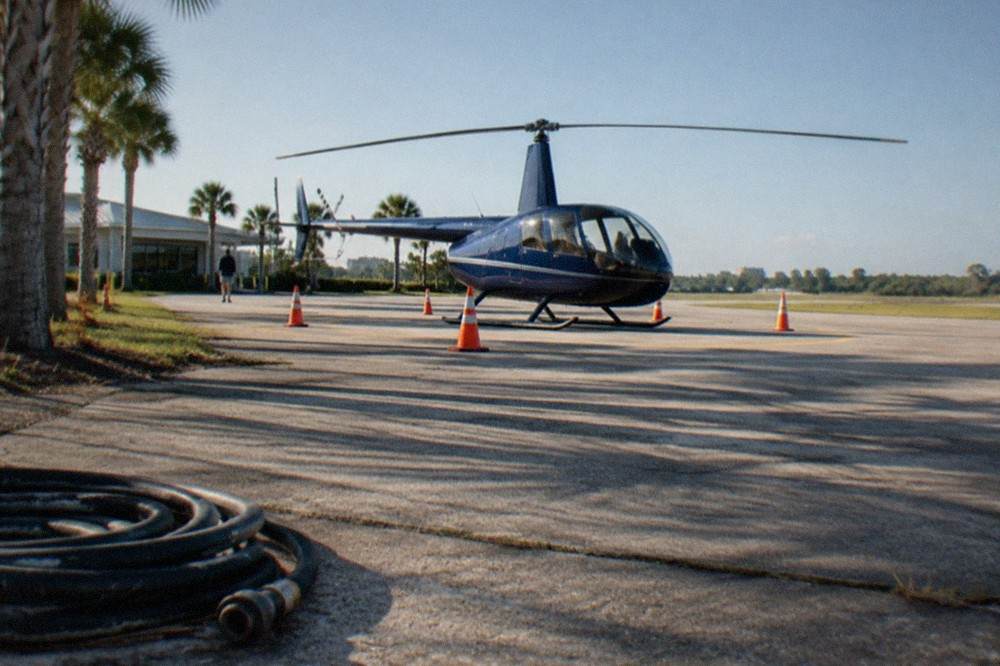
What sometimes trips up readers is marketing language. An operator holding a 91.147 authorization is a legal, FAA-overseen sightseeing operator, but it is not a "certified charter operator," and honest sites should not describe it as one. The framework still carries teeth: the operator must have a drug and alcohol testing program in place for the pilots, must deliver a passenger safety briefing before every flight, and must operate within the weight and performance limits the FAA publishes for the aircraft type. If an operator violates the terms, the FAA can revoke the authorization, which ends the business.
There is one more piece of federal airspace law that shapes every Orlando tour, and it is worth understanding because it actually makes the flights more predictable, not less. A permanent FAA special-security flight restriction, published as FDC NOTAM 4/3634, bars all aircraft, including sightseeing helicopters and drones, from a 3 nautical mile radius centered on Walt Disney World property, from the surface up to 3,000 feet. The FAA's official restriction record documents the geometry. The practical consequence: no commercial tour legally overflies the Disney parks, so every route you can book here is planned, published, and flown around fixed airspace boundaries rather than improvised. If a site or listing tells you a flight goes "over the Magic Kingdom," that is a claim to walk away from.
Here is how the real bookable products on this corridor map onto that framework, with the verified figures from each operator's live listing:
| Tour | Type | Duration | Price from | Rating |
|---|---|---|---|---|
| 16-Mile Fun Spot Private Helicopter Tour | Private | 8 minutes | $68.25 | 5.0 from 289 reviews |
| Narrated Day Helicopter Flight over Theme Parks | Private | 18-20 minutes | $134.40 | 4.8 from 159 reviews |
| Private Helicopter After-hours 48 Miles Tour | Private | 45-60 minutes | $236.25 | 5.0 from 170 reviews |
| Theme Parks After-Hours Private Flight | Private | 15 minutes | $131.25 | 4.9 from 72 reviews |
Every one of these is a private flight, which matters for safety in a quiet way: with only your own party aboard, the pilot manages one group's weight, one briefing, and one set of questions, rather than juggling strangers.
What Actually Happens Before You Board?
Before any flight, every passenger is weighed, and the pilot delivers a mandatory safety briefing covering seatbelts, headsets, doors, and emergency exits. Weight limits are strict and physics-based: MaxFlight caps a single passenger at 300 lbs with a 600 lb combined limit for three passengers, while Orlando Helicopter Adventures lists roughly 290 lbs per passenger on its Robinson aircraft. Infants under about 28-30 lbs fly free on a lap up to age 2.
The weighing step surprises first-time flyers more than anything else, and it deserves a full explanation because it is the single most visible safety practice on the helipad. A small helicopter like a Robinson R44 has a maximum gross takeoff weight, and within that envelope the load must balance: too much weight on one side and the aircraft handles differently, too much total weight and the pilot runs out of performance margin on a hot Florida afternoon. Heat thins the air, which thins the lift, which is why summer flights in Central Florida are more weight-sensitive than winter ones. When the crew weighs you, they are doing the same arithmetic every commercial pilot does before every departure.
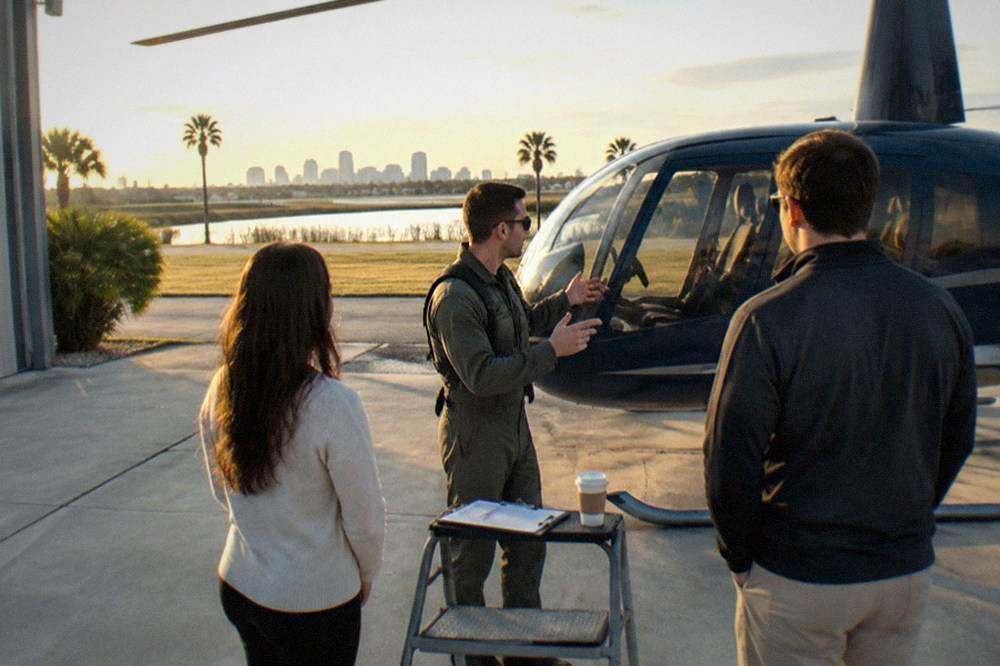
The briefing is the second mandatory step, and it is required by the same federal framework discussed above, not just offered as courtesy. A standard tour briefing covers how to fasten and release the seatbelt harness, how the headsets and intercom work, which doors stay closed and latched, how to exit in an emergency, and where not to walk when approaching or leaving the aircraft. The classic rule is simple: never approach a helicopter from the rear, where the tail rotor spins at a speed the human eye cannot track. If you are traveling with children, the briefing doubles as the moment to establish that they stay with an adult at all times on the helipad; the helicopter tour weight limits guide covers the full per-operator numbers.
| Operator / aircraft | Single passenger max | Combined limit | Notes |
|---|---|---|---|
| MaxFlight (Kissimmee Gateway area) | 300 lbs (136 kg) | 600 lbs (272 kg), 3 passengers | All passengers weighed; lap infants under ~28-30 lbs fly free up to age 2 |
| Orlando Helicopter Adventures, R44 | Approx. 290 lbs | 600 lbs, up to 3 passengers | Same weighing requirement and lap-child policy |
| Orlando Helicopter Adventures, R66 | Approx. 290 lbs | 800 lbs, up to 4 passengers | Larger aircraft accommodates a fourth passenger |
Neither operator publishes an overweight surcharge, and that is itself informative: the published response to exceeding the limits is a split booking or a denied boarding, not a fee. If your party is four or more people, expect to fly in two helicopters or two sequential flights, which is a routine arrangement rather than a problem. Booking a private flight means the whole aircraft is yours, so a split is a scheduling detail, not an upsell.
If you are feeling cautious about your first flight, the gentlest possible introduction is a short route with a small price tag, and the cheapest real per-person private flight on this corridor is exactly that:
Eight minutes is long enough to feel the rotor spin up, see the Fun Spot skyline and the Kissimmee corridor from altitude, and land again before any anxiety has time to build. Nervous flyers consistently do better on a first flight that has a short, knowable duration than on a long commitment.
What Is The Safety Record For Orlando And Kissimmee Tour Operators?
No major NTSB-reported accident or incident has been specifically tied to a commercial sightseeing helicopter tour operator flying from Kissimmee or Orlando in the verifiable 2024-2026 window. That is a genuine, checkable statement, and no invented accident rate, safety score, or comparative risk figure exists in the verified record.
Stating a clean record honestly means resisting two temptations. The first is the temptation to invent a number, a "0.0003 percent accident rate" or similar, that no source on this corridor supports. That kind of figure feels reassuring and is worthless, because nobody has computed it from real data. The second temptation is the reverse: dredging up unrelated aviation incidents from the region and implying a connection. In the same 2024-2026 window, Central Florida saw a law-enforcement helicopter hard-landing near Orlando Sanford and a drone-show malfunction over Lake Eola, and neither involved a tour operator, so neither belongs in a discussion of tour safety. The NTSB aviation report database is the primary source for this record.
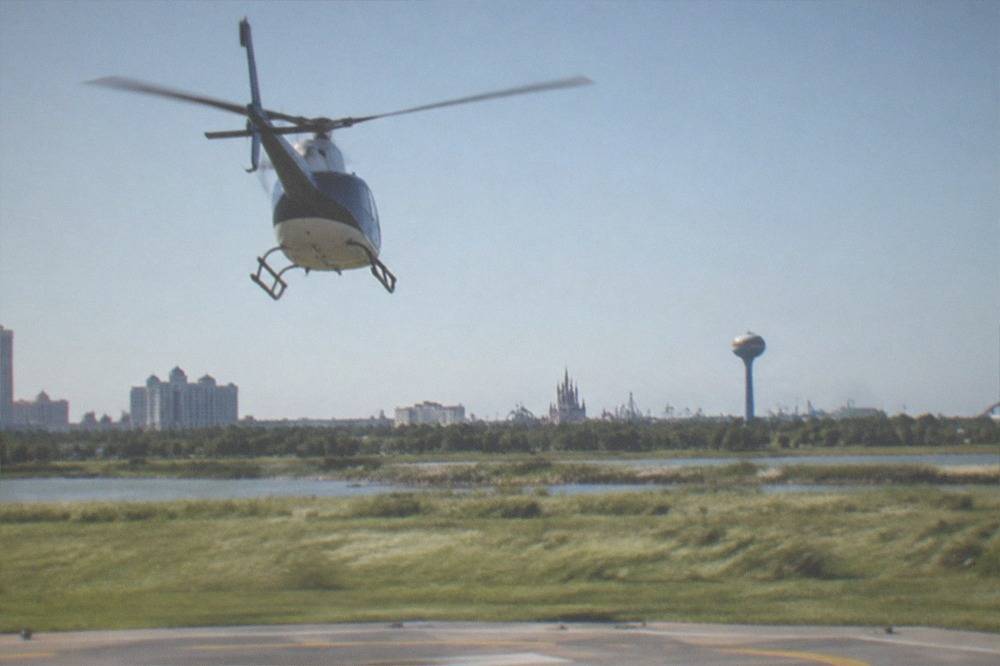
What the record does support is a pattern of ordinary, well-run operation: high review volumes on the major tours with no cluster of safety complaints, operators publishing their weight and briefing practices openly, and routes planned around fixed airspace restrictions that have been in place for years. The 16-mile Fun Spot tour alone carries 5.0 from 289 reviews, and the 48-mile after-hours tour carries 5.0 from 170 reviews with a Badge of Excellence on its listing. Review pools that size, accumulated over years of daily flying, would surface safety problems quickly, and what they surface instead is commentary about views, pilots, and weather reschedules.
For readers who want the practical side of the same question, the adjacent guides cover the operational angle: the weather and cancellation policy guide explains what happens when a flight cannot go, and the Orlando helicopter tour safety questions families ask covers the age and child-specific angles.
Weather, Weight, And The Real Reasons Flights Get Cancelled
The overwhelming majority of Orlando tour disruptions are weather-driven, not mechanical: summer thunderstorms in the June-September wet season typically fire between 2pm and 8pm, so morning slots around 9:30-11am are the most reliable summer bookings, and the November-April dry season offers the most consistently clear skies. Operators commonly reschedule or refund weather cancellations, though exact policies vary, so check the specific listing.
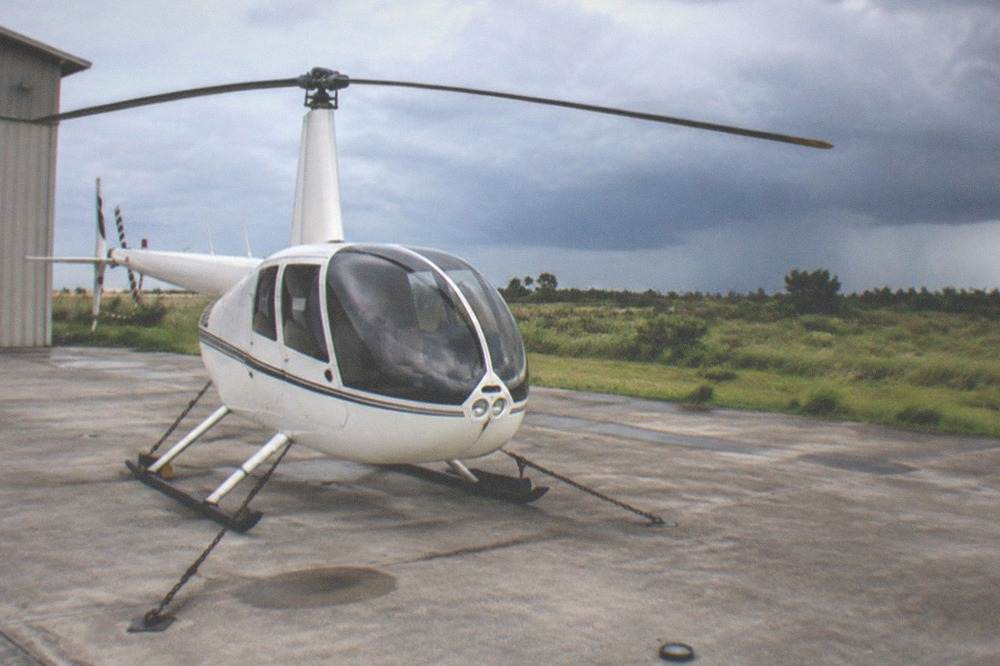
Weather is where the safety system becomes visible to travelers, because the same rules that keep flights safe also keep them on the ground. A pilot who cancels a flight because of an approaching storm cell is not failing you, they are doing exactly what the federal framework and their own training require. Central Florida's summer weather pattern is famously punctual: hot mornings build into afternoon thunderstorms, usually in the 2-8pm window, and the storms are often intense but short-lived. A 4pm flight cancelled for a storm cell often could have flown at 10am or at 7pm, which is why flexible travelers in summer should book morning slots and keep the evening open as a fallback.
| Season | Typical pattern | Best booking strategy |
|---|---|---|
| November-April (dry season) | Most reliable clear skies, comfortable temperatures | Any time of day works; sunset slots give the best photography light |
| June-September (wet season) | Afternoon thunderstorms typically 2-8pm | Morning slots, roughly 9:30-11am, are the most weather-reliable |
| Mid-August to mid-October | Statistical peak of Atlantic hurricane season | Direct major storms on Central Florida are infrequent; book with flexibility |
| Late afternoon year-round | Dramatic light transitions | Consistently rated best for photography |

Weight is the second cancellation driver, and it is entirely within your control. Book within the published limits, answer the weighing step honestly, and the issue never arises. Parties of four or more should plan on a split across two flights, which operators handle routinely. The full per-operator numbers live in the weight limits guide, and the practical answer to what happens when weather intervenes is in the cancellation and rescheduling guide.
If a longer route is what you want, the narrated day flight over the theme-park corridor is the mid-length option most first-time flyers choose, and the narration adds a second layer of structure to the flight:
A narrated flight can also help nervous passengers: a pilot explaining what you are seeing keeps the mind occupied, and the intercom means questions are welcome in the air.
Is A Helicopter Tour Safe For Kids And Nervous First-Time Flyers?
Yes, with age-appropriate expectations. Infants under roughly 28-30 lbs fly free on a lap up to age 2 on the operators flying this corridor, children old enough to sit in their own seatbelted position fly routinely, and the briefing covers the whole family before departure. For nervous adults, the honest advice is to pick a short flight, book a morning slot in summer, and treat the first flight as a sampler.
The kids question gets asked constantly, and the short version is that families fly these tours every day without incident. The full age-by-age treatment, including which tours suit which ages and what the lap-child policy means in practice, lives in the is an Orlando helicopter tour safe for kids article, and the helicopter tour with kids guide covers the logistics of booking for a family. What belongs here is the safety framing: the same briefing, weighing, and airspace rules protect a seven-year-old exactly as they protect an adult, and the enclosed cabin means there is no wind, no open door, and no exposure to anything beyond a normal seated environment with a headset on.
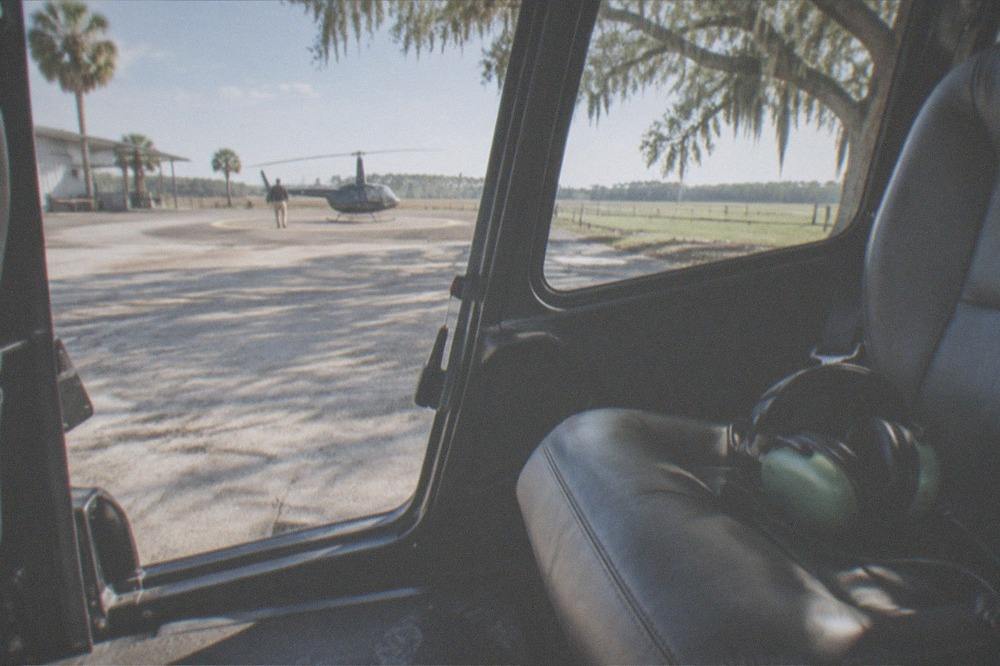
For nervous first-time adults, a few practical points consistently help. First, doors-off flights are not a thing in this market: every bookable product here is an enclosed helicopter with large windows, so the Hawaii-style open-door experience does not exist on this corridor, and nothing on any Orlando listing will ask you to fly without a door. Second, the noise is managed by the headsets, which also carry the intercom, so the flight is a conversation, not a roar. Third, motion in a helicopter feels different from a small airplane: smoother in cruise, more deliberate in turns, and the maneuvers on a standard sightseeing loop are gentle banks rather than anything resembling a thrill ride. The one product marketed as a genuine thrill ride, the HeliCoaster over Lake Toho, is the exception, and nervous flyers should simply not book that one.
The what to expect guide walks through the full first-flight sequence minute by minute, from check-in to rotor spin-up to landing, and nervous flyers who read it tend to arrive at the helipad with fewer unknowns, which is most of the battle.
How Do You Choose A Safe Operator And Prepare?
Choose an operator that publishes its weight limits, briefs every flight, and states its real departure location, then book a flight length matching your confidence, weigh in honestly, and keep your schedule flexible for weather. On this corridor the verifiable products all meet those tests: they fly from named Kissimmee or International Drive locations, publish per-passenger and combined weight caps, and operate private flights with mandatory briefings.
A short checklist makes this concrete. Verify the departure point on the listing before you book, because most flights on this corridor depart from Kissimmee along the US-192 corridor, immediately adjacent to Walt Disney World, rather than from downtown Orlando, and the Kissimmee versus Orlando departure guide explains why that matters for your hotel choice. Read the weight limits on your specific tour's listing and book a private flight if your party is three or four people, since the whole aircraft is then yours and the load calculation is simple. Dress for the helipad: flat shoes, no loose hats, hair tied back, and nothing that could blow into the rotor area. Arrive early enough that the briefing is not rushed.
| Preparation step | Why it matters | What to do |
|---|---|---|
| Check the real departure location | Most tours depart Kissimmee, not downtown Orlando | Confirm the address on the listing; plan the drive |
| Know your party's combined weight | Exceeding limits means a split or denied boarding | Weigh in at home; split a party of 4+ across flights |
| Book a morning slot in summer | Afternoon storms, typically 2-8pm, drive most cancellations | Target roughly 9:30-11am departures June-September |
| Read the cancellation terms | Weather policies vary by operator | Check the specific listing before booking |
| Listen to the full briefing | It is federally required and covers exits and headsets | Ask questions before the rotor spins |
One preparation note deserves emphasis because it is the honest answer to a question people rarely ask aloud: the single best thing a nervous traveler can do is book the shortest flight that still shows them something. A first flight that ends while it is still a novelty leaves you wanting more; a first flight that runs 45 minutes when you were nervous at minute two does not. The short-flyover category exists precisely for this, and the 16-mile Fun Spot tour at 8 minutes and $68.25 is the archetype. If it goes well, longer routes are waiting, and the Orlando helicopter tour prices guide maps the full cost ladder.
For travelers ready for the long route, the deepest review pool on the roster belongs to the 48-mile after-hours tour, which is also the longest night flight available over the corridor:
It carries 5.0 from 170 reviews and a Badge of Excellence on its listing, and a review pool built over that many flights is itself a kind of safety data: it represents hundreds of departures that ended exactly as planned.
The honest summary of everything on this page is that the safety question has a boring answer, and boring is what you want from aviation. The rules are real, the weighing and briefing are mandatory, the record over the verifiable 2024-2026 window is clean, and the main thing standing between you and a completed flight is a summer afternoon thunderstorm, which is a scheduling problem rather than a safety one. Book a length you are comfortable with, keep your calendar flexible, and the rest of the system, from the FAA authorization to the pilot's pre-flight arithmetic, is already doing its job. This site, Orlando Helicopter Tours, keeps the verified figures for every product on the roster so you can check each one against its live listing before you commit.
Common Questions About Helicopter Tour Safety In Orlando
How safe is a helicopter tour in Orlando?
Very safe by the measures that can be verified: the flights operate under FAA oversight with mandatory passenger weighing and safety briefings, and no major NTSB-reported accident or incident has been tied to a commercial Orlando or Kissimmee sightseeing helicopter tour operator in the verifiable 2024-2026 window. Most disruptions are weather cancellations, not safety events.
Do they weigh you before an Orlando helicopter ride?
Yes. Every operator on this corridor weighs passengers before boarding, because weight and balance determine whether the aircraft can fly safely. MaxFlight caps a single passenger at 300 lbs with a 600 lb combined limit for three passengers; Orlando Helicopter Adventures lists roughly 290 lbs per passenger, with 600 lbs combined on the R44 and 800 lbs on the R66.
Are Orlando helicopter tours regulated by the FAA?
Yes. Most short sightseeing flights operate under 14 CFR Part 91 via a section 91.147 Letter of Authorization, which permits paid passenger flights within roughly a 25 nautical mile radius and requires drug and alcohol testing programs plus passenger safety briefings. Some operations fall under the stricter Part 135 charter framework.
Is it safe to take a child on a helicopter tour in Orlando?
Yes. Infants under roughly 28-30 lbs fly free on a lap up to age 2, and children in their own seatbelted position fly routinely on these enclosed helicopters. The same briefing and weight rules protect children as adults, and the cabins are enclosed with large windows rather than open-sided.
What happens if the weather is bad on my flight day?
Operators commonly reschedule or refund when weather grounds a flight, though exact policies vary, so check your specific listing. In summer, thunderstorms typically hit between 2pm and 8pm, so morning slots around 9:30-11am are the most reliable choice, and the November-April dry season offers the most consistently clear skies.
Can a helicopter tour fly over Walt Disney World?
No. A permanent FAA special-security flight restriction, FDC NOTAM 4/3634, bars all aircraft from a 3 nautical mile radius over Walt Disney World property from the surface to 3,000 feet. Tours legally route around the restricted zone and offer skyline views toward the resort from outside it, so any listing claiming an overflight of the parks is one to avoid.