Helicopter Tours In Orlando During Hurricane Season
Atlantic hurricane season runs June 1 through November 30, and it overlaps almost exactly with Orlando's summer travel rush. Here is what that means for booking a helicopter tour, which months carry real risk, and how operators handle storm-day cancellations.
Short answer
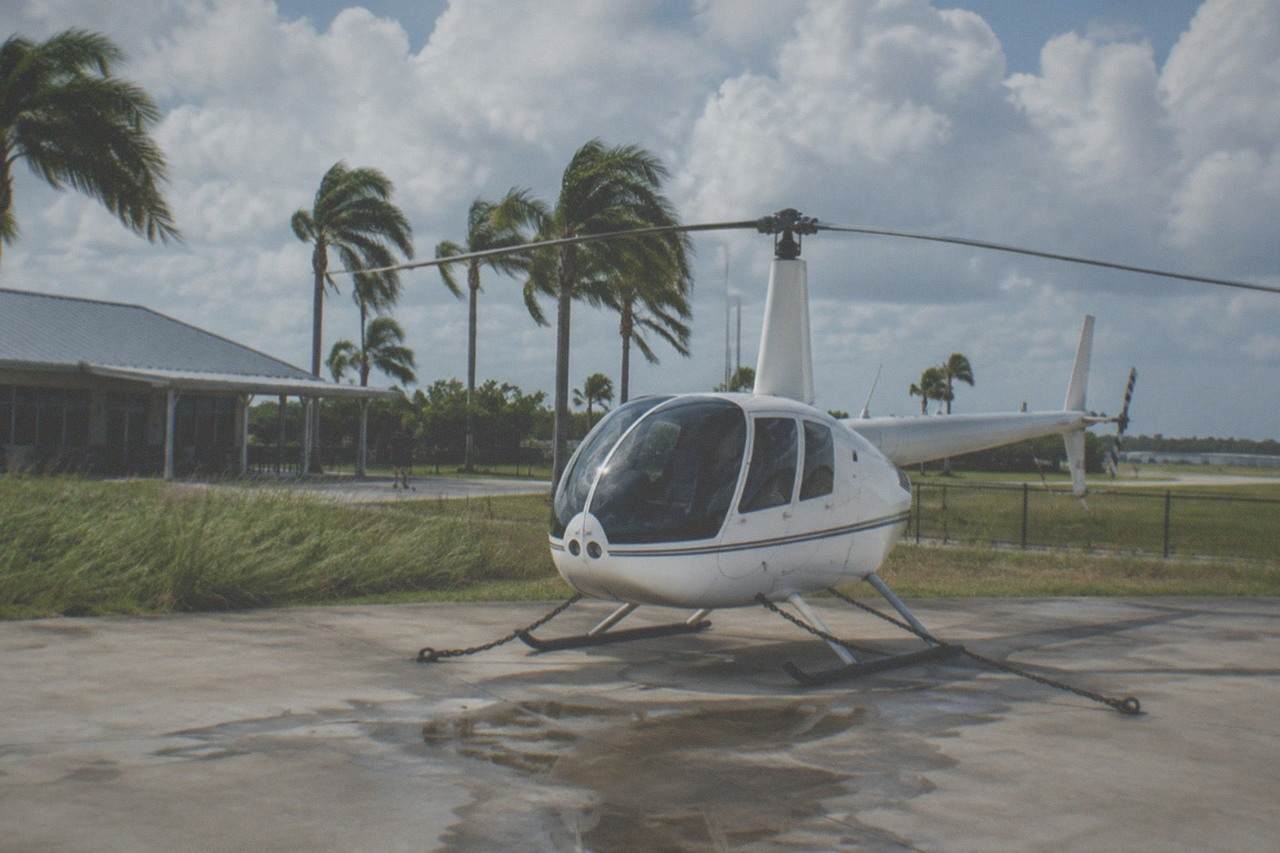
Hurricane season runs June 1 to November 30, with peak storm risk from mid-August to mid-October. Helicopter tours in Orlando still operate through it; the day-to-day problem is routine summer thunderstorms, not hurricanes. Morning slots around 9:30 to 11am are the most weather-reliable summer choice, and operators commonly offer rescheduling or refunds for weather cancellations.
When Is Hurricane Season In Orlando?
Atlantic hurricane season runs June 1 through November 30, with the statistical peak between mid-August and mid-October, and September often the highest-risk month. That window overlaps summer vacation, so the real questions are whether flights still operate and which weeks are safest to book. Flights operate all season, direct major-storm hits on Central Florida are statistically infrequent, and routine afternoon thunderstorms cause far more cancellations than any named storm.
The season is defined by the National Hurricane Center's calendar, not by local cloud cover. A hurricane does not need to make landfall anywhere near Orlando to appear in the forecast discussion, and conversely a perfectly calm September week with no named storms in the basin is entirely normal. The framing matters because the marketing language around Florida travel often treats the whole summer as a washout, which the actual weather record does not support.
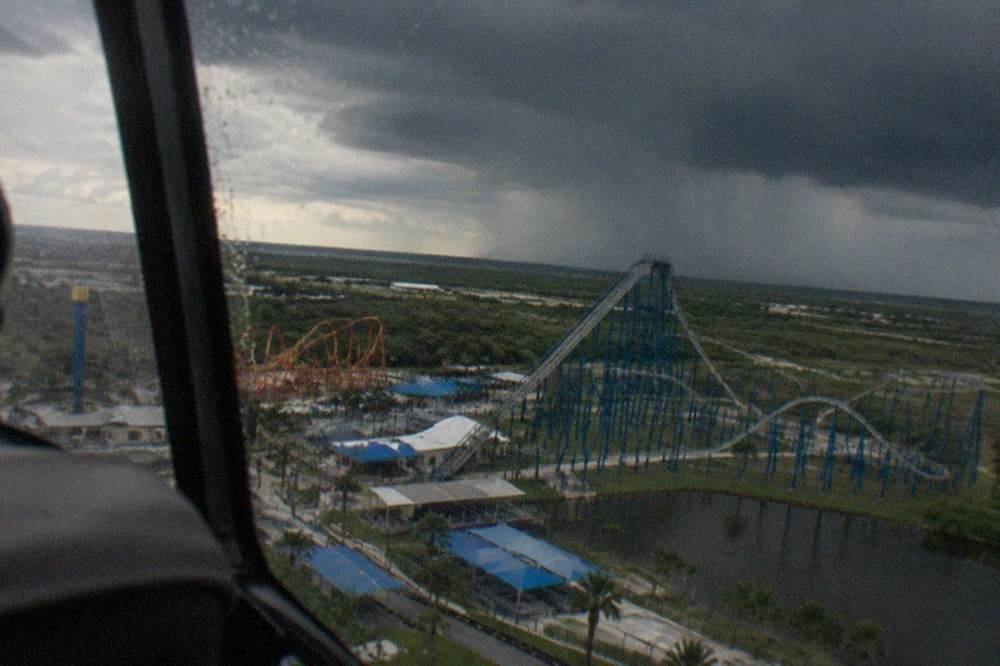
What the season genuinely changes is the character of the daily forecast. From June through September, Central Florida builds afternoon thunderstorms on most days, typically in the 2 to 8pm window, driven by daytime heating rather than tropical systems. These are ordinary convective storms: they build fast, dump rain for twenty to forty minutes, and dissolve by early evening. They are also the single most common reason a helicopter tour in this market gets rescheduled, because operators will not fly into active convective cells regardless of what the seasonal outlook says.
The official season dates and peak-risk window are tracked by the National Hurricane Center's seasonal outlooks as reported for Florida travelers, and they are the same dates whether you are booking a cruise, a villa week, or a fifteen-minute flight over the theme park corridor. For a deeper look at the day-to-day cancellation mechanics, the weather cancellation policy for helicopter tours covers what happens after a scrubbed flight in detail; this page focuses on the seasonal planning layer above it.
One distinction worth internalizing early: hurricane season and rainy season are not the same thing. Orlando's rainy season is a broader local pattern that starts in late May and tapers in October, while hurricane season is a basin-wide statistical window for tropical cyclone formation. A week can sit inside both and still deliver five flyable mornings.
Do Helicopter Tours Still Fly During Hurricane Season?
Yes, helicopter tours in Orlando still fly during hurricane season, because operators run on actual daily weather rather than shutting down for the season. Most days from June through September support flights, especially mornings, and flights only ground when a named storm or severe weather is in the area, with operators typically offering rescheduling or refunds instead of leaving travelers with a dead booking.
The decision to fly is made the same way in July as in January: the pilot checks current conditions, visibility, wind, and convective activity, and makes a go or no-go call. There is no seasonal standing order. What changes in summer is the probability that an afternoon slot gets scrubbed, because the 2 to 8pm thunderstorm window sits directly on top of popular sunset-adjacent departure times.
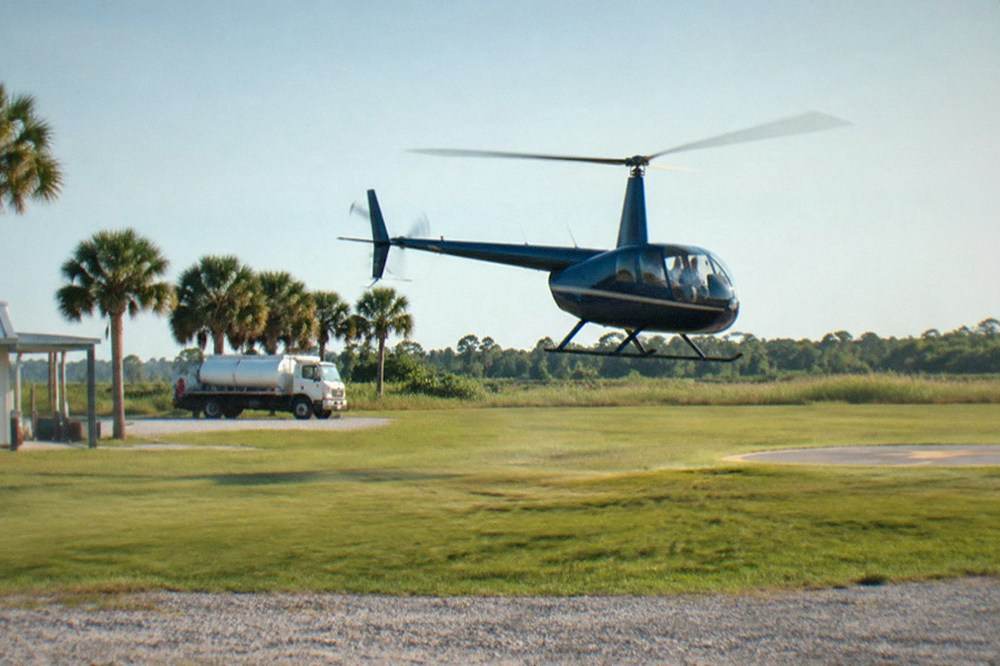
Travelers staying in the Kissimmee corridor should also understand the geography of the departure points, which the Kissimmee versus Orlando departure comparison explains in full. Most flights leave from heliports along the US-192 corridor immediately south of the Disney area, and those operators watch the same radar any Orlando-area operator watches. A storm cell over the parks grounds everyone in the region equally; there is no clever departure-point choice that dodges weather.
For travelers weighing whether a summer flight is worth booking at all, the honest framing is this: the flights themselves are identical to dry-season flights, the views are often sharper after a morning rain has cleared the haze, and the only added cost of summer booking is scheduling flexibility. If your itinerary has one fixed afternoon and no slack, summer carries real reschedule risk. If you have two or three mornings free, it carries almost none.
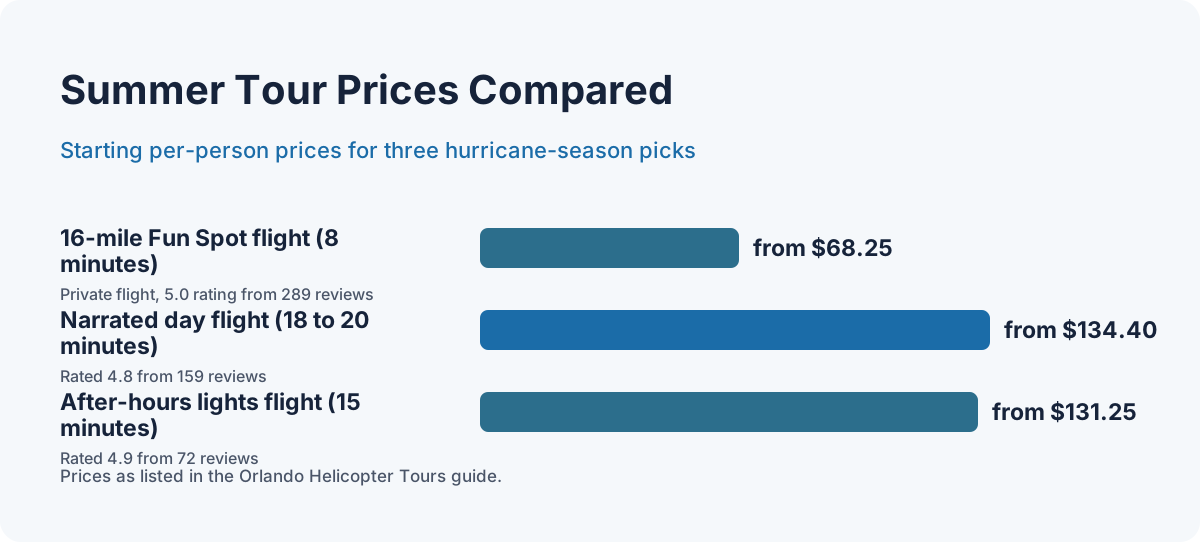
The three tours above span the practical summer spectrum: a short, cheap, easy-to-reschedule morning flight; a longer narrated daytime route over the theme park corridor; and an after-hours flight for the lights, which in summer means booking with one eye on the evening storm forecast. All three run through the season.
Which Months Between June And November Suit A Booking Best?
June and July are the strongest months inside the season for a booking, because storm risk sits below its statistical peak and morning slots fly reliably. Late August through mid-October is the peak-risk window, when a booking should carry flexible dates. November sits at the season's quiet tail and transitions into the dry season, making it one of the best-value months of the year. The month you pick inside the season matters more than the season itself.
The pattern underneath this is simple. Early-season months produce ordinary summer weather: hot afternoons, routine thunderstorms, and a low probability of any organized tropical system. The statistical peak from mid-August to mid-October is when the basin is most active, and while a direct major-storm hit on Central Florida remains infrequent, the odds of a several-day disruption window rise. By November, activity tapers, rainfall drops toward the lowest readings of the year, and the dry season that runs November through April begins to take hold.

| Month | Storm-risk profile | Tour-booking reality |
|---|---|---|
| June | Season opens, low organized-storm activity | Strong booking month; book morning slots |
| July | Routine convective weather, modest storm risk | Strong booking month; expect afternoon buildups |
| August | Activity climbing toward the peak | Good early month; add date flexibility after mid-month |
| September | Statistical peak of basin activity | Book, but keep alternate days open |
| October | Activity tapering, peak ends mid-month | Second half improves markedly; shoulder crowds are low |
| November | Season's quiet tail, dry season beginning | Excellent value month; reliable skies |
The shoulder periods deserve a special mention. Mid-January to mid-February and mid-September to early October combine relatively good weather with lower crowds, and the September shoulder in particular lets a traveler use the peak-risk label to their advantage: hotels and tour availability ease while the actual odds of a storm affecting any single day remain modest. If your dates are flexible, the weeks on either side of the statistical peak are among the smartest booking windows of the year.
For the photography angle, which slots within any given day reward booking, the best time of day for a helicopter tour covers light conditions and weather reliability together. The short version: morning slots around 9:30 to 11am are the most weather-reliable summer choice, and late-afternoon flights deliver the best light but sit closest to the thunderstorm window.
What Happens If Weather Cancels Your Flight?
When weather grounds a flight, operators in this market commonly offer rescheduling or a refund rather than keeping the payment, so a scrubbed slot costs you the experience, not the money, in most cases. The exact policy lives on each operator's live listing, so read it before booking rather than assuming. Summer storms pass in under an hour, and a same-day or next-morning rebook is usually possible.
The general expectation of rescheduling or refunds is verified across this market, but no single operator's exact refund terms are published in a way this site can state as fact for all of them. The practical reading: check the cancellation terms on the live listing at booking time, and if a storm is anywhere in the forecast for your travel week, prefer listings with free cancellation over the cheapest non-refundable option. The difference in price is usually small; the difference in flexibility is not. The rest of the planning pages sit on Orlando Helicopter Tours.
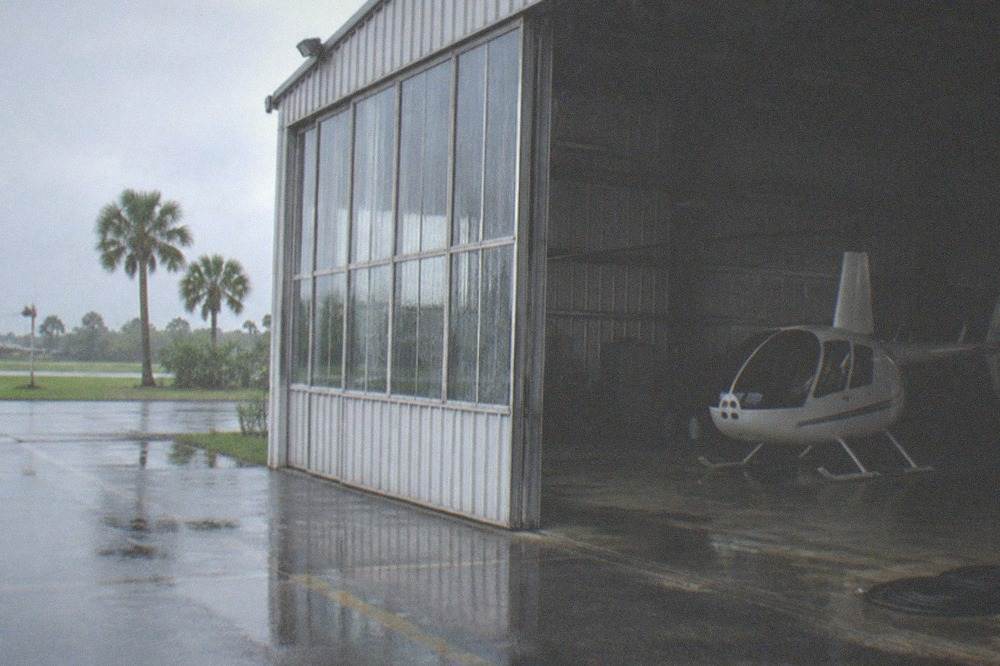
Timing your booking around the forecast is the other half of the strategy. Convective summer storms in Central Florida are forecastable at the daily level with reasonable accuracy a day or two out, so a traveler with morning flexibility can watch the forecast and shift a booking toward the clearer day. Named storms are forecastable much further ahead, which means a hurricane threatening the peninsula gives you days of warning, not hours. A tour operator will not fly into a storm passage, and you should not want them to.
| Cancellation scenario | Typical operator response | What you should do |
|---|---|---|
| Afternoon thunderstorm over the route | Flight delayed or rescheduled same day | Rebook the next clear morning slot |
| Storm cell passing the heliport | Short ground hold, then flying resumes | Wait it out; cells pass in under an hour |
| Named storm approaching the region | Flights grounded for the passage window | Reschedule to after the system clears |
| Low visibility or high winds, no rain | Pilot no-go on conditions alone | Accept the call; conditions rule the calendar |
The full mechanics of cancellation handling, refund windows, and how operators communicate scrubs are laid out in the weather cancellation policy guide, which goes deeper than the seasonal layer here. The one seasonal addition worth making: in peak-risk weeks, book your flight early in your trip rather than on your last day, so a reschedule has somewhere to land.
Which Tours Are The Best Picks For A Summer-Season Visit?
Short morning routes are the smartest hurricane-season booking because they are cheap, quick, and easy to reschedule if a cell builds, and the 16-mile Fun Spot flight from Kissimmee is the clearest example at 8 minutes and from $68.25 per person. Longer routes reward the same flexibility with more scenery, including the narrated theme-park corridor flight and the after-hours lights flight. In every case, book the earliest workable slot.
The 16-mile Fun Spot flight deserves its popularity in this context. It is a private flight, it carries a 5.0 rating from 289 reviews, and its brevity is a feature in summer: an 8-minute airborne window is far easier to slot into a clear morning than a 45-minute route, and its price means a reschedule costs you almost nothing in planning terms. It departs from Kissimmee in the MaxFlight operation, and it is the cheapest single-length private product on the roster.
For travelers who want more than a taste, the narrated day flight is the natural step up. It flies 18 to 20 minutes over the theme-park corridor with narration pointing out Gatorland, SeaWorld, Universal Orlando, Disney Springs, Epcot and Hollywood Studios from skyline vantage points, from $134.40, rated 4.8 from 159 reviews. In summer the same advice applies: take the morning departure. A flight of this length crossing the corridor at 3pm in August is a coin flip against the convective forecast.
The after-hours flight is the one summer pick that deliberately embraces the evening window, and it needs the most forecast awareness. It runs 15 minutes from $131.25, rated 4.9 from 72 reviews, with 180-degree views of night lights toward Epcot, Universal Orlando, ICON Park and Walt Disney World from outside the restricted zone. Evening storms are the risk here: if the 2 to 8pm window has been active all day, a night flight may scrub or shift later, so book it on an evening after a cleaner forecast day.
One framing note that matters for every pick above: no tour on this roster flies over the Disney parks themselves. A permanent FAA flight restriction, FDC NOTAM 4/3634, bars aircraft from a 3-nautical-mile radius over Walt Disney World property from the surface to 3,000 feet, per the FAA's official TFR record. Summer or winter, the views are skyline views of the corridor from outside that zone, and any listing implying otherwise is overstating the route.
How Do You Plan Around Afternoon Thunderstorms?
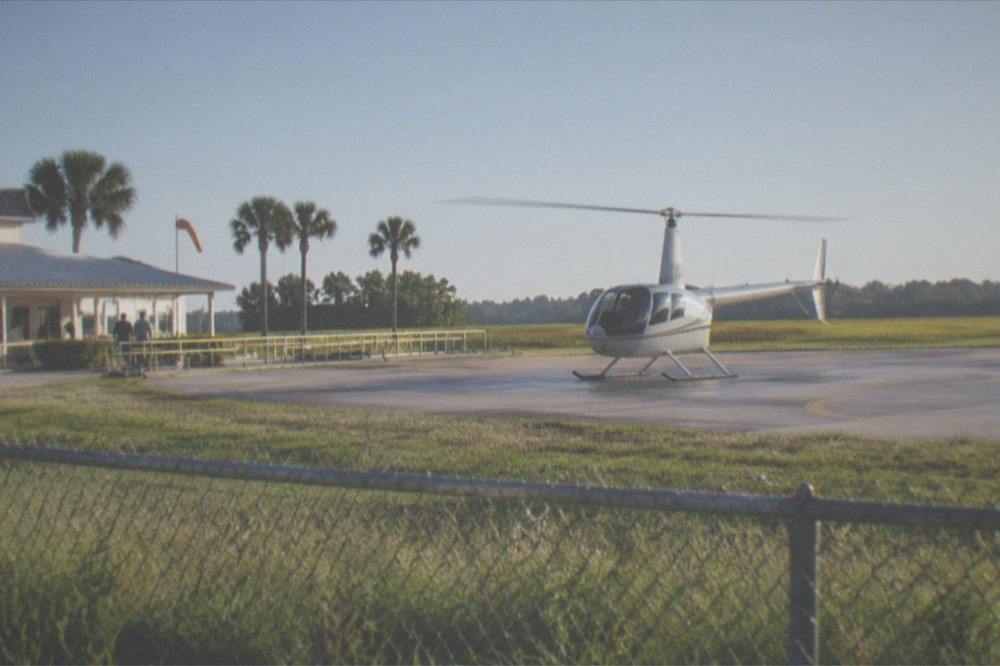
Plan around the 2 to 8pm thunderstorm window by booking morning slots, roughly 9:30 to 11am, which are the most weather-reliable summer departures in this market. Keep your flight early in your trip, hold one backup morning, and watch the daily forecast two days ahead rather than the seasonal outlook. The storms themselves are fast: a typical cell builds, rains hard for twenty to forty minutes, and dissolves, so a scrubbed afternoon rarely ruins a whole day.
The morning-first rule is the single highest-value piece of seasonal advice for this market. Central Florida's summer convection is driven by daytime heating, which means the atmosphere is at its calmest and clearest in the mid-morning hours after any overnight activity has cleared and before the afternoon buildup begins. This is also, conveniently, a pleasant time to be in an enclosed helicopter: summer afternoons in the cabin run hot on the tarmac, and a 10am departure beats a 2pm one for comfort as well as reliability.
| Summer planning move | Why it works | When to use it |
|---|---|---|
| Book a 9:30-11am slot | Convective buildup starts after midday | Default choice, June through September |
| Schedule the flight on day 2 or 3 of your trip | Leaves later days for a reschedule | Any trip longer than three days |
| Check the forecast 48 hours out | Daily convection is forecastable at that range | Every summer booking |
| Prefer free-cancellation listings | A scrubbed slot costs nothing to move | Peak-risk weeks, mid-August to mid-October |
| Add a night flight as a second booking | Evening lights are worth a separate attempt | If the evening forecast looks clean |
Two traps catch summer travelers. The first is booking the flight for the final day of a trip, which leaves no room for a reschedule if the operator grounds the fleet. The second is treating a hurricane in the basin as a reason to cancel a whole week: a storm three hundred miles away affects local weather marginally or not at all, and operators fly on the actual conditions over the heliport, not the seasonal headlines. The price breakdown for helicopter tours in Orlando is worth reading alongside this section if budget flexibility shapes your choices, since the shortest routes are the cheapest ones to rebook.
Is It Safe To Book During The September Peak?
Yes, September bookings in the Kissimmee and Orlando area are safe in the sense that matters most: no major NTSB-reported accident or incident has been tied to commercial sightseeing helicopter operators there in the verifiable 2024 to 2026 window, and weather no-go decisions rest with the pilot, not the calendar. The real September risk is disruption, not danger, since flights simply do not happen in bad conditions.
The safety framework behind these flights is worth understanding at a basic level. Most short sightseeing flights in this market operate under 14 CFR Part 91 via a section 91.147 Letter of Authorization, the standard regulatory path for local sightseeing operations, which still requires drug and alcohol testing programs and passenger safety briefings; the Part 91.147 explainer covers what that authorization does and does not permit. Operators also weigh every passenger before boarding, a requirement that exists for weight-and-balance safety and that the weight limits guide details with the real per-passenger and combined figures.
What September actually adds to your planning is calendar risk. The statistical peak of basin activity means a higher chance that some part of your travel week overlaps a messy forecast. That is a scheduling problem with a scheduling solution: flexible dates, a morning-first strategy, and a free-cancellation listing. It is not a reason to skip the flight, and it comes with a genuine upside in the form of lower crowds and easier availability across the whole corridor.
The seasonal bottom line, then, is a ranking rather than a verdict. June and July are the best months inside the season for a straightforward booking. Early August extends that run. Mid-August through mid-October demands flexibility but rewards it. November is a quiet gem that hands you the start of the dry season at shoulder-season prices. And within every one of those months, the morning slot is the booking that flies.
Common Questions About Hurricane Season Helicopter Tours
Do helicopter tours in Orlando get cancelled for hurricane season?
No. Tours operate throughout the June 1 to November 30 season on any day conditions allow, which is most days. Individual flights get cancelled for actual weather, typically afternoon thunderstorms in the 2 to 8pm window or an active storm passage, and operators commonly offer rescheduling or refunds for those cancellations.
When is hurricane season in Orlando?
Atlantic hurricane season runs June 1 through November 30, with peak activity from mid-August to mid-October and September often the statistical peak-risk month. Direct major-storm hits on Central Florida are statistically infrequent.
What is the best month during hurricane season to book a helicopter tour?
June and July are the strongest in-season months, with routine summer weather and low organized-storm activity. November is also excellent, sitting at the season's quiet tail as the November-to-April dry season begins. Mid-August to mid-October is the peak-risk window and needs flexible dates.
What time of day is most reliable for a summer helicopter flight?
Morning slots, roughly 9:30 to 11am, are the most weather-reliable choice from June through September, because Central Florida's convective thunderstorms build after midday, typically in the 2 to 8pm window.
Do you get a refund if weather cancels your helicopter tour?
Operators in this market commonly offer rescheduling or refunds for weather-related cancellations, but exact terms vary, so read the cancellation policy on the operator's live listing before booking. Prefer free-cancellation listings in peak-risk weeks.
Should I avoid booking a helicopter tour in September?
No, but book with flexibility. September sits at the statistical peak of basin activity, so keep alternate days open, book morning slots, and schedule the flight early in your trip so a reschedule has room to land. The reward is lower crowds and easier availability.