Best Time Of Day For A Helicopter Tour In Orlando
The time of day you book changes almost everything about an Orlando helicopter ride: the weather risk, the light in your photos, what you can see, and what you pay. Here is how the day breaks down.
Short answer
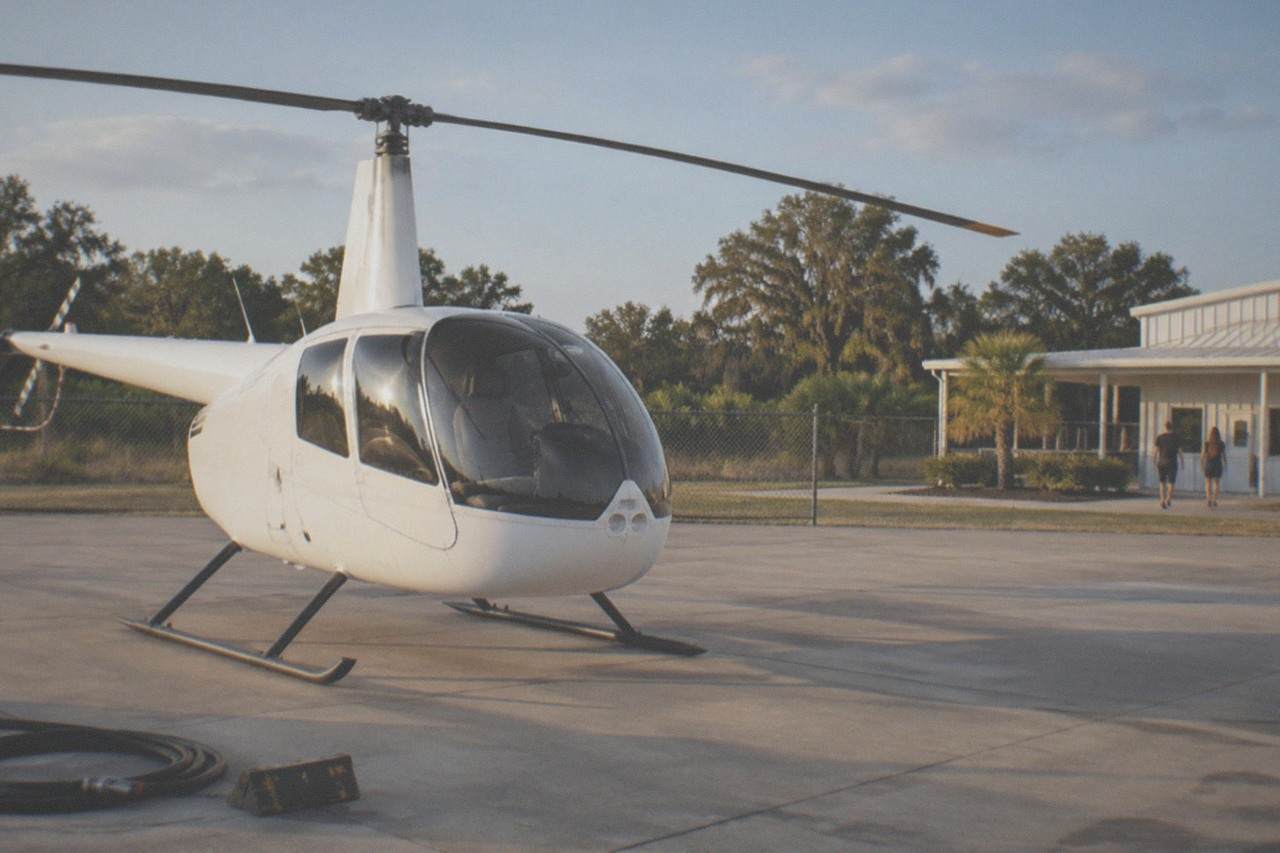
Late afternoon and sunset are the best all-round time for a helicopter tour in Orlando: the light is at its most photogenic and summer storm risk has usually passed or is visible on approach. In summer (June-September), book morning slots around 9:30-11am instead, because afternoon thunderstorms typically build between 2pm and 8pm. Night flights from around $131.25 deliver the lit theme-park skyline.
The single most common scheduling mistake visitors make with an Orlando helicopter ride is treating every hour of the day as interchangeable. It is not. Central Florida runs on a weather rhythm that is predictable enough to plan around: clear, calm mornings, building heat and cloud through midday, a thunderstorm window that opens in the afternoon during the warmer months, and a golden, then purple, then electric-lit evening. Each of those phases suits a different kind of flight, and each carries a different cancellation risk.
The price differences between day, sunset, and night departures are modest on this roster, so the real decision is rarely about money. It is about what you want the ride to be: a low-risk family outing, a photography session, or a date-night-style flight over a skyline that glows after dark. This guide walks through the whole day, hour by hour, using the real flight options sold in the Kissimmee and International Drive departure corridor, and it flags the weather patterns that decide whether your slot actually flies.
What Is The Best Time Of Day For A Helicopter Ride In Orlando?
The honest answer is late afternoon into sunset for most visitors, because that window combines the day's best photography light with a storm risk you can usually see coming, and the theme-park corridor looks its best as the lights come on. In summer, the answer flips to morning, roughly 9:30-11am, because afternoon thunderstorms in the 2-8pm window are the single biggest cause of rescheduled flights between June and September.
That recommendation comes from how Central Florida weather actually behaves rather than from any operator's marketing. The region has two distinct seasons. The dry season, November through April, brings the most reliable clear skies and the best visibility for aerial photography, and almost any time of day works. The wet season, June through September, runs on a near-daily cycle of heat, cloud buildup, and afternoon thunderstorms, which makes the morning the statistically safer bet and the early evening a calculated risk.
There is a third answer that some visitors should hear first: if your goal is the lit theme-park skyline rather than daylight sightseeing, night is the only time that delivers it, and it is a genuinely different product. The night flight options in Orlando are covered in depth in their own guide, but the short version is that after-dark flights show Epcot, Universal Orlando, ICON Park, and the Walt Disney World resort area as a field of lights, viewed from outside the restricted airspace that sits over the Disney property.
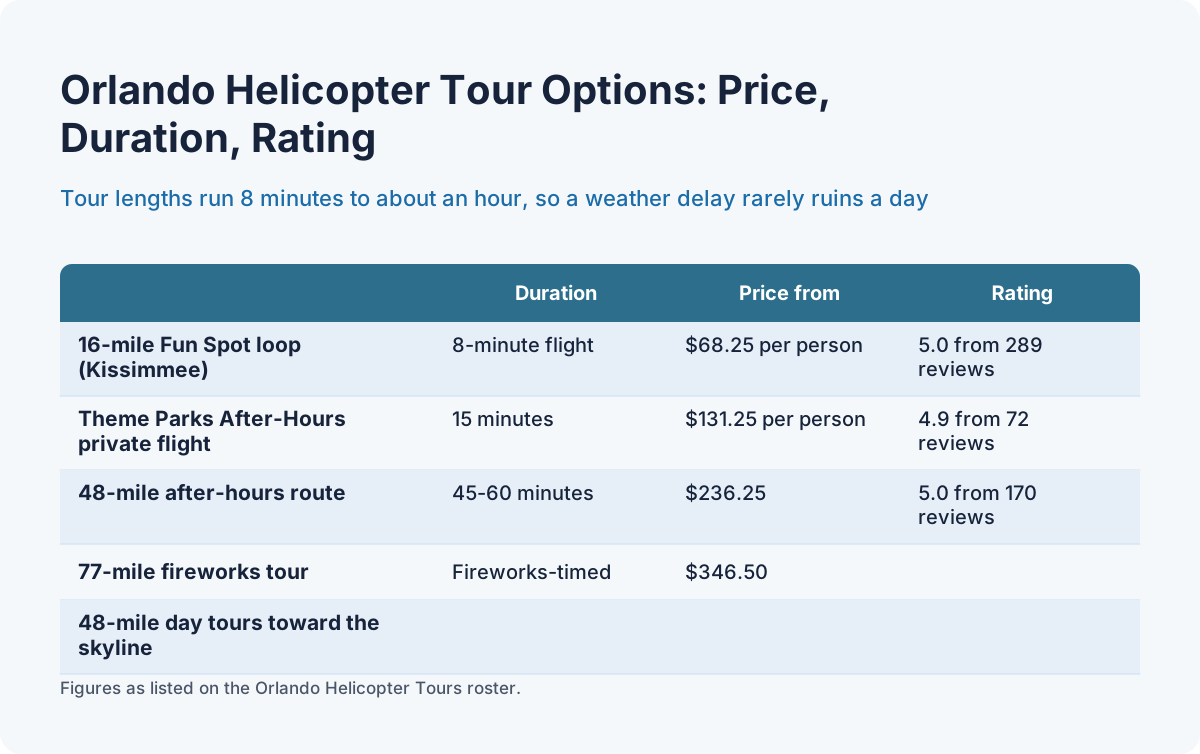
One scheduling fact shapes everything else and is worth stating plainly: helicopter tours here are short. An 8-minute Fun Spot loop, a 15-minute night flight, a 45-minute fireworks route, these are compact experiences, so a weather delay or a reschedule rarely ruins a whole day. That flexibility is why the time-of-day decision matters but should not be stressful.
| Time window | Light and views | Summer weather risk | Best for |
|---|---|---|---|
| Morning (9:30-11am) | Clearest air, flat even light | Lowest of the day | Families, first-timers, reliability |
| Midday (11am-2pm) | Harsh light, haze risk | Building | Shortest waits, cheapest menus |
| Late afternoon (2-5pm) | Warming color, long shadows | Highest in summer | Flexible schedules only |
| Sunset (5-8pm, seasonal) | Best photography light of the day | Usually passed or visible | Photographers, couples |
| Night (after 8pm) | Lit skyline, park glow | Low, but darker horizon | Skyline and fireworks fans |
Why Morning Slots Around 9:30-11am Are The Reliable Choice In Summer
Between June and September, the 9:30-11am window is the most reliable booking choice in Orlando, because the afternoon thunderstorm cycle that grounds flights typically builds after 2pm, and morning air is at its clearest and calmest before the Florida heat starts working. If your trip falls in the wet season, booking a morning slot is the single simplest way to protect your flight from a reschedule.
The summer storm pattern in Central Florida is almost a schedule in itself. Heat and humidity accumulate through late morning, cumulus clouds stack up in the early afternoon, and thunderstorms fire in the 2-8pm window before clearing in the evening. It is not every day, and it is rarely all day, but it is frequent enough that operators plan around it and so should you. A morning booking flies before any of that machinery has started turning.
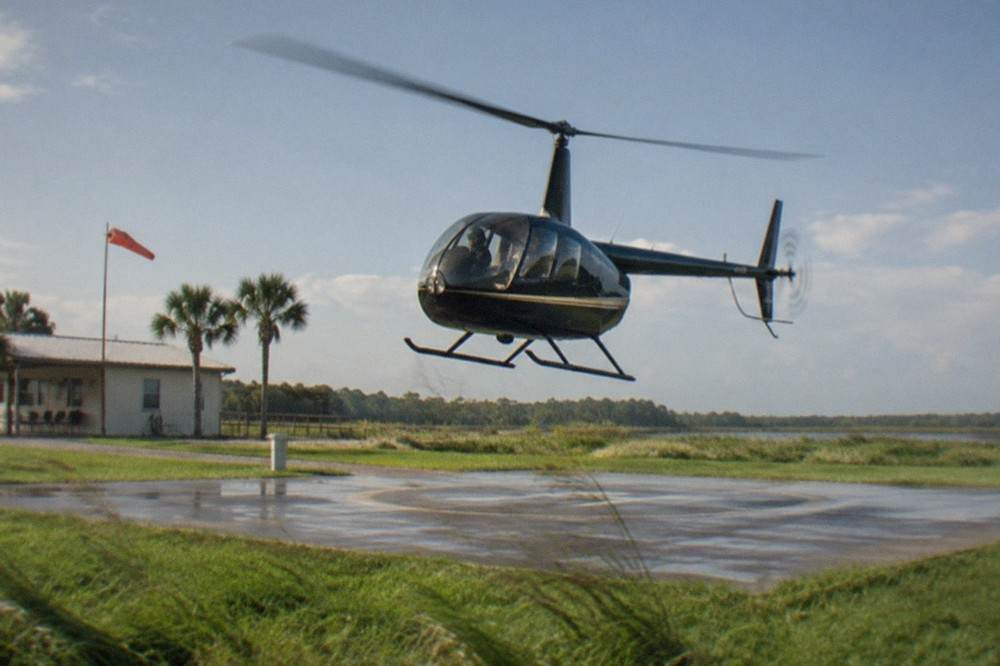
Morning light also has a practical advantage that matters more than aesthetics: visibility. Haze is a real factor in Florida, and the air before midday is at its most transparent, which means the long sight lines toward the theme-park corridor, the lakes, and the downtown skyline are at their sharpest. If you are flying a longer route, like the 31-mile or 48-mile day tours that reach toward the Orlando skyline, that clarity is the difference between seeing the city and squinting at it.
The trade-offs are honest ones. Morning light is even and clear but flat, so it is not the golden, dramatic light photographers chase, and the parks are not lit, so you get rooftops and parking lots rather than a glowing skyline. Families with young children often find mornings easiest anyway: the 16-mile Fun Spot loop from Kissimmee, from $68.25 per person with a 5.0 rating from 289 reviews, is an 8-minute flight that fits neatly before a park day even starts.
The one morning caution is fog and low cloud in the cooler months, which can occasionally delay early departures in winter, but this is far rarer than the summer afternoon storm problem and usually burns off within the first hour of daylight.
Late Afternoon And Sunset: The Photography Window
Late afternoon into sunset is consistently rated the best time of day for photography on an Orlando helicopter flight, because low sun angle warms the color, softens the shadows, and lights the lakes and theme-park corridor from the side instead of directly overhead. The golden hour before sunset and the blue hour just after it are the two most photogenic stretches of the entire day.
Photographers have a simple reason for preferring this window: directional light. Midday sun in Florida is directly overhead, which flattens the landscape and bleaches colors. As the sun drops, the same scenery gains depth: lake surfaces pick up the sky's color, the theme-park corridor's rooftops and roadways gain long shadows, and the whole frame warms up. The deeper question of which light suits which lens and flight is covered in the guide to the best time of day for Orlando helicopter photos, but the scheduling takeaway is simple: book the last two or three daylight departure slots the operator offers.
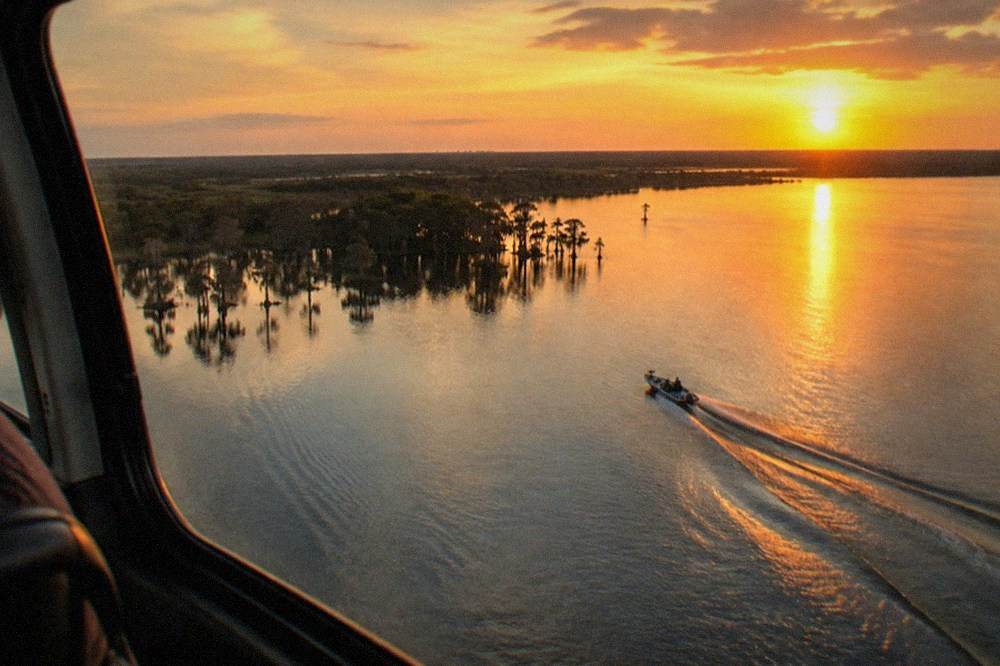
The summer catch is that this is also the tail of the storm window. A 5pm sunset flight in July sits right at the edge of the 2-8pm thunderstorm band. The practical play is to watch the forecast two days out and hold a sunset booking with a fallback: operators here commonly offer rescheduling or refunds when weather grounds a flight, and the general expectation, stated as a planning norm rather than a specific operator promise, is covered in the weather and cancellation policy guide.
In the dry season, November through April, that risk largely disappears and sunset becomes the best all-round slot of the year. The air is drier, the storm machinery is switched off, and the light in Florida's cooler months is reliably golden. If your trip is in February or March, which combine low rainfall with pleasant temperatures, a late-afternoon flight is close to a guaranteed good decision.
Night Flights: The Lit Theme-Park Skyline
After dark, an Orlando helicopter flight becomes a different product: the theme-park corridor turns into a field of lights, with views toward Epcot, Universal Orlando, ICON Park, and the Walt Disney World resort area from outside the restricted zone over Disney property. Night flights on this roster start from around $131.25 per person for a private after-hours flight, and the views are of skylines and light, not direct overflight of the parks.
The airspace fact that frames every night flight, and every flight here, is the permanent FAA restriction over Walt Disney World: a 3-nautical-mile radius from the surface up to 3,000 feet, detailed on the FAA's official TFR record. No sightseeing operator flies through it. What that means in practice is that night tours give you the glow of the resort from outside the boundary, the lit towers of the parks as a horizon of light, which is exactly what the best night routes are built to show.
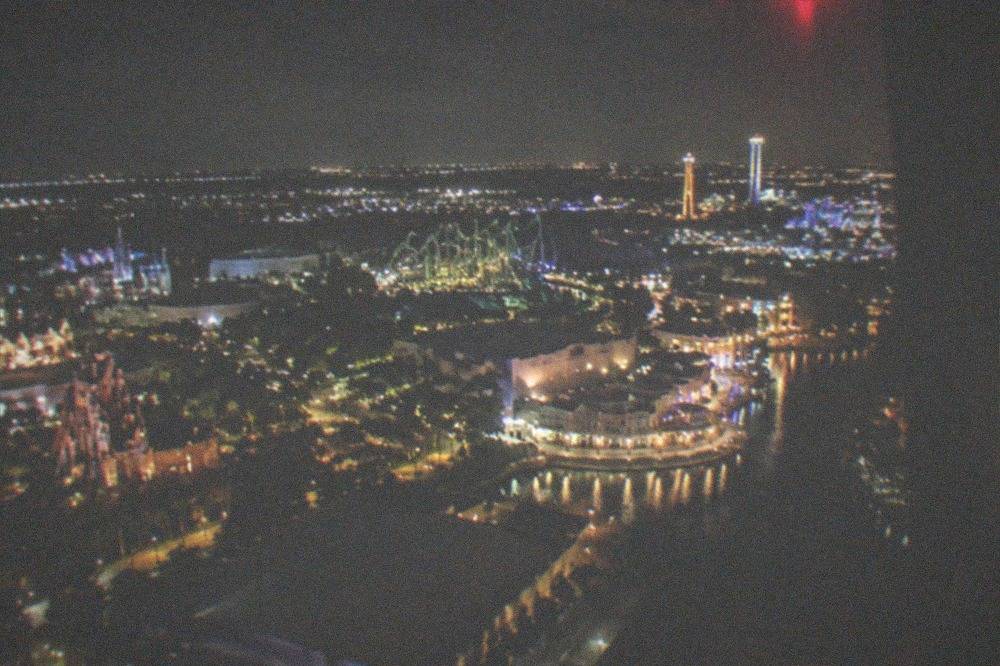
The flagship short night option is the Theme Parks After-Hours private flight: 15 minutes, from $131.25 per person, rated 4.9 from 72 reviews, with 180-degree views of the lit corridor. For a much longer night, the 48-mile after-hours route, from $236.25 with a 5.0 rating from 170 reviews, runs 45-60 minutes and adds the downtown Orlando skyline to the park lights, and it carries one of the deeper review pools on the roster. The rest of the planning pages sit on Orlando Helicopter Tours.
Booking a night flight has two practical notes. First, night departure times are tied to darkness, so in summer the useful window starts later, around 8:30pm or after, while in winter flights can leave as early as 6pm and still catch full dark. Second, fireworks-timed routes are a premium subcategory: the 77-mile fireworks tour, from $346.50, and the seasonal Halloween and Christmas fireworks flights are scheduled against actual show windows, so they only exist when the parks are running their evening spectaculars. If a fireworks flight is the goal, check the show calendar before you pick a date, not after.
How The Season Changes The Best Time Of Day
The season matters as much as the clock: from November through April, the dry season gives clear skies at almost any hour and makes sunset the best all-round slot, while from June through September the storm cycle pushes the smart booking toward 9:30-11am mornings, and Atlantic hurricane season, June 1 to November 30, adds a low but real risk of whole-day disruptions peaking from mid-August to mid-October.
The two seasons barely resemble each other from a helicopter seat. Dry-season days in Orlando are the postcard version: blue, dry, and stable, with February typically the lowest-rainfall month and March frequently offering pleasant conditions with fewer rainy days. Almost any departure time works, so the choice collapses to light and price. Wet-season days are the opposite: predictably fine in the morning, predictably stormy somewhere between 2pm and 8pm, and then often clear and dramatic again after the storms pass, which is why a sunset flight in July is a gamble with a spectacular payoff.
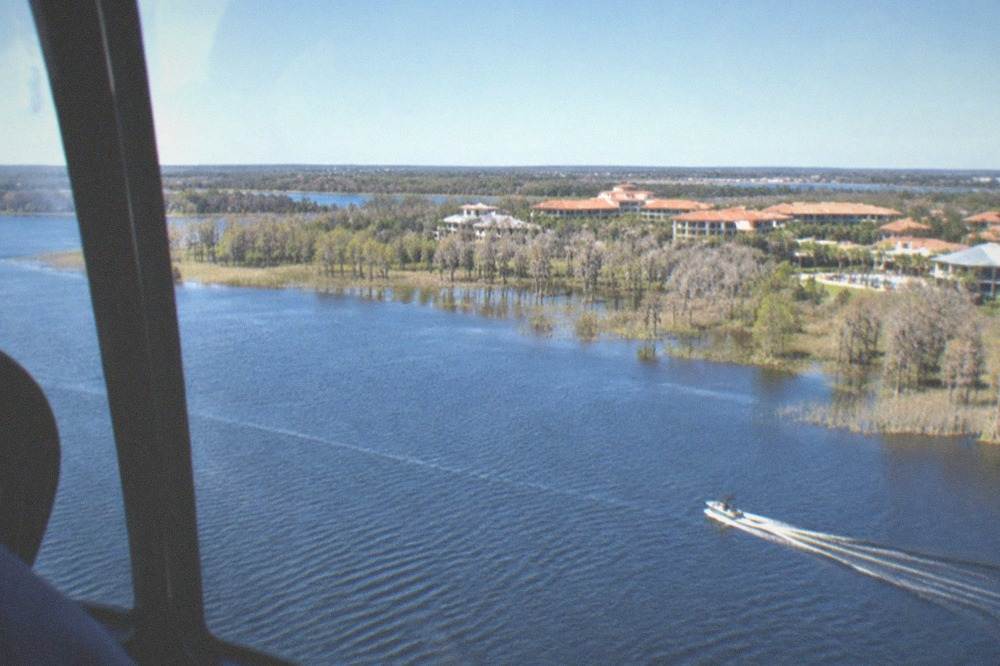
| Season | Months | Sky behavior | Best slot | Risk to plan around |
|---|---|---|---|---|
| Dry season | November-April | Reliable clear skies, best visibility | Sunset | Occasional winter morning fog |
| Shoulder | Mid-January to mid-February | Low rainfall, lower crowds | Any daylight hour | Cool early mornings |
| Wet season | June-September | Morning clear, afternoon storms 2-8pm | 9:30-11am | Afternoon thunderstorm reschedules |
| Hurricane season peak | Mid-August to mid-October | Same storm cycle, rare whole-day disruption | Morning, with a backup day | Infrequent major-storm cancellations |
Hurricane season deserves a proportionate mention. Direct major-storm hits on Central Florida are statistically infrequent, and routine summer thunderstorms cause far more day-to-day cancellations than hurricanes themselves, as the seasonal outlooks for Florida make clear. If your visit falls in the statistical peak of mid-August to mid-October, the usual advice applies: book with a flexible day, keep one backup morning free, and treat a rescheduled flight as a scheduling event rather than a lost one. The full seasonal picture is in the hurricane season planning guide.
What Each Time Slot Actually Costs
Day flights on this roster start from $31 per person at the short end of multi-length menus, private narrated day flights run from $134.40, night flights start from $131.25, and the premium fireworks-timed routes reach $346.50, so the time of day you choose moves the price far less than the length of route you choose. A short night flight can cost less than a long day flight.
The pricing logic on this roster is distance and event, not clock. A 15-minute private night flight ($131.25) and an 18-20 minute narrated day flight ($134.40) cost nearly the same, while a 45-minute fireworks route costs more than double either. That means you should pick your time of day for the experience, then pick your route length to fit the budget, in that order.
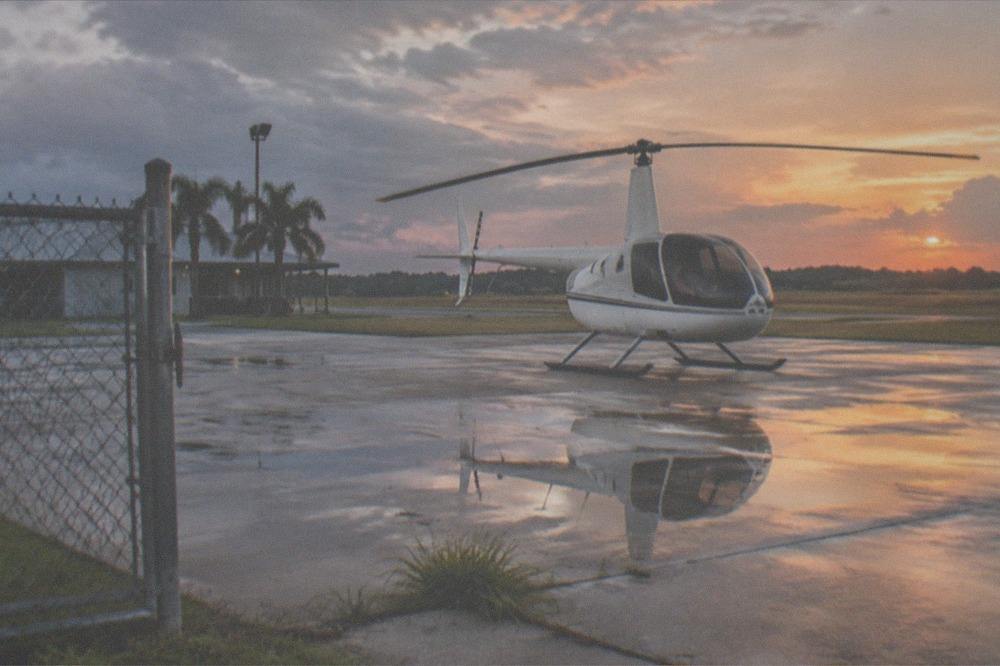
| Flight type | Time of day | Length | From (per person) | Notes |
|---|---|---|---|---|
| Short flyover (Fun Spot loop) | Day | 8 min | $68.25 | Private, 5.0 from 289 reviews |
| Menu flyover (International Drive) | Day | 5-25 min options | $35 | Multi-length menu, group max 6 |
| Narrated theme-park day flight | Day | 18-20 min | $134.40 | Private, 4.8 from 159 reviews |
| Theme-park day tour (31 or 48 miles) | Day | 20-30 min | $207.90 | Private, 5.0 from 23 reviews |
| After-hours theme-park flight | Night | 15 min | $131.25 | Private, 4.9 from 72 reviews |
| 48-mile after-hours route | Night | 45-60 min | $236.25 | Private, 5.0 from 170 reviews |
| Fireworks-timed routes | Night | 25-45 min | $321.42-$346.50 | Seasonal, show-window scheduled |
Two of those rows deserve a caveat. The fireworks premier tour, from $321.42 for 25 minutes with a photo package and an 8:30pm Epcot-timed start, is a very new listing with a single review, so treat its social proof as thin. And the short menu flyovers at $31-35 are the low end of a multi-length menu, not a fixed product: the price you pay depends on the flight length you select, and the live listing is the authority on both.
Booking Strategy: How To Lock In Your Time Slot
Book the sunset slot in the dry season, the morning slot in summer, and the night slot only if the lit skyline is the point of the ride, then hold the booking with free cancellation and a backup morning later in your trip. The one tour here with a genuine urgency signal is the 31/48-mile day tour, whose listing carries a Likely to Sell Out badge; everything else can usually be booked a few days ahead.
The strategy in one paragraph: choose your window by season and goal, then protect it. Free cancellation is offered on these listings, so there is little cost to booking early and adjusting later. In summer, if a sunset flight is the one you really want, book it, but keep one morning free later in the week as a fallback, because the afternoon storm risk is real and a same-week reschedule is usually painless. In the dry season, book whatever light you want with confidence.
The day tours deserve a mention here because the narrated daytime flight, from $134.40 with a 4.8 rating from 159 reviews, is the strongest-reviewed daylight sightseeing option on the roster, and its narration is aimed at exactly the corridor the time-of-day question is about. You can compare it against the after-hours flight it shares a departure area with, or Check availability on its live listing once you have settled on a window.
A few mechanical details make any slot go more smoothly. Most departures leave from Kissimmee along the Irlo Bronson Memorial Highway corridor, so budget drive time from your hotel, especially for a night flight after a full park day. Passengers are weighed before boarding, with limits around 300 lbs per seat and 600 lbs combined for three on the common aircraft, so arrive ready for that. And if your heart is set on the fireworks-timed premier route, book against the park show calendar, since those flights only exist inside the seasonal show windows.
Common Questions About Timing An Orlando Helicopter Tour
What is the best time of day for a helicopter ride in Orlando?
Late afternoon into sunset for the best light, or a 9:30-11am morning slot in summer (June-September) when afternoon thunderstorms in the 2-8pm window make later flights the risky choice. In the dry season, November to April, almost any hour works and sunset is the standout.
What is the best month for an Orlando helicopter tour?
February and March combine the lowest rainfall of the year with pleasant temperatures, and the wider dry season, November through April, delivers the most reliable clear skies. Summer flights are perfectly viable if you book mornings.
Are night helicopter tours in Orlando worth it?
Yes, if the lit theme-park skyline is what you want to see. Private after-hours flights start from $131.25 per person for 15 minutes, rated 4.9 from 72 reviews, and the longer 48-mile night route from $236.25 adds the downtown skyline over 45-60 minutes.
Do Orlando helicopter tours get cancelled for weather?
Yes, most often in summer when afternoon thunderstorms ground flights in the 2-8pm window. Operators commonly offer rescheduling or refunds for weather cancellations, so book with free cancellation and keep a backup morning open during the wet season.
Is morning or sunset better for helicopter photos in Orlando?
Sunset. Low sun angle warms the color and gives the lakes and skyline directional light, which is why late-afternoon flights are consistently rated best for photography. Morning light is clearer but flatter, better for crisp long-distance visibility than drama.
How far in advance should I book an Orlando helicopter flight?
A few days ahead is usually enough, since most flights on this roster do not carry urgency signals. The exception is the 31/48-mile private day tour, whose listing carries a Likely to Sell Out badge, and the seasonal fireworks-timed routes, which only run inside park show windows and should be booked against the show calendar.